
How To Build A Care Team When You Have No Family Help | Dr Ashley Blackington
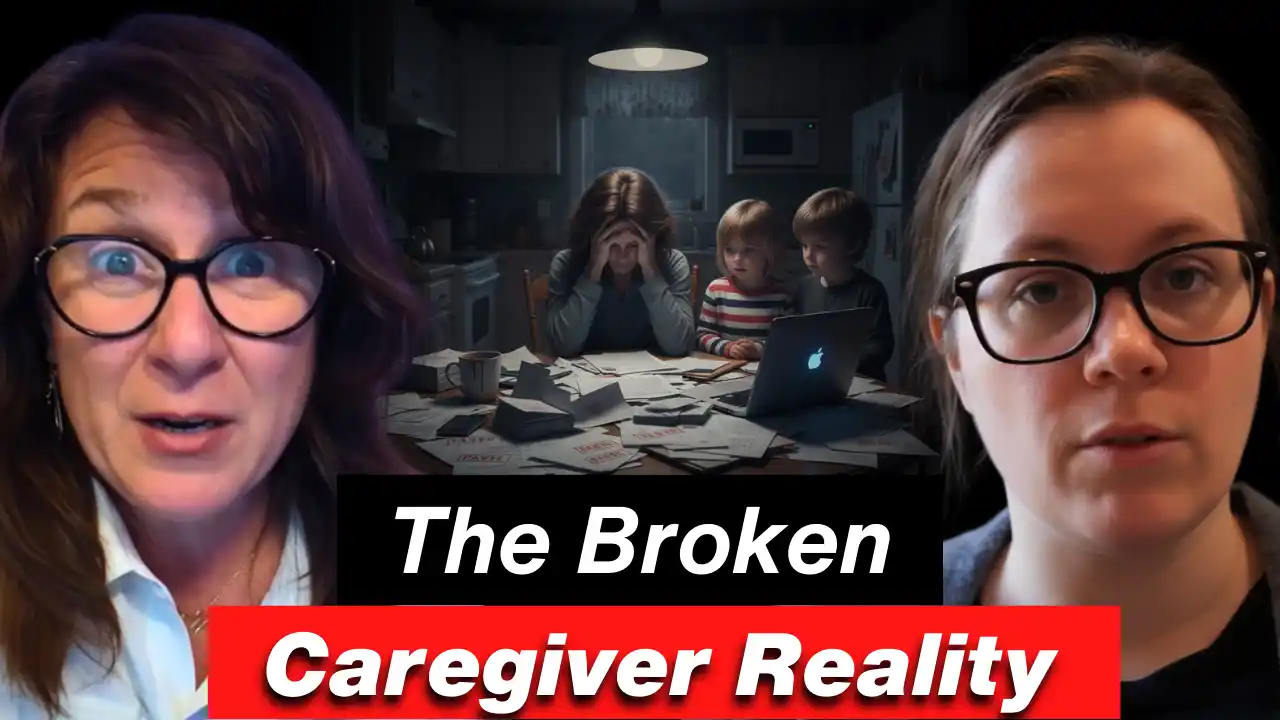
What happens when the burden of caregiving falls entirely on one person—and that person breaks? In this episode of The Digital Legacy Podcast, host Niki Weiss, Digital Thanatologist and Final Playbook coach, sits down with Dr. Ashley Blackington, Occupational Therapist and founder of Dovetail, to unpack the "default caregiver" trap and why the modern family structure is buckling under the pressure of aging loved ones. You’ll discover: Why the healthcare system naturally funnels responsibility to one person (usually the eldest daughter) and how to "open the funnel" back up The difference between living longer and "dying longer"—and what that means for your family's future Why caregivers often suffer physical injury or illness before the person they are caring for Crucial advice for "solo agers" on getting on waitlists and updating emergency contacts before a crisis hits How to use technology like Dovetail to create "layers of care" rather than relying on a chaotic 2-inch binder Because you can’t care for someone else if the system is designed to break you first.
Description:
What happens when the burden of caregiving falls entirely on one person—and that person breaks?
In this episode of The Digital Legacy Podcast, host Niki Weiss, Digital Thanatologist and Final Playbook coach, sits down with Dr. Ashley Blackington, Occupational Therapist and founder of Dovetail, to unpack the "default caregiver" trap and why the modern family structure is buckling under the pressure of aging loved ones.
You’ll discover:
Why the healthcare system naturally funnels responsibility to one person (usually the eldest daughter) and how to "open the funnel" back up
The difference between living longer and "dying longer"—and what that means for your family's future
Why caregivers often suffer physical injury or illness before the person they are caring for
Crucial advice for "solo agers" on getting on waitlists and updating emergency contacts before a crisis hits
How to use technology like Dovetail to create "layers of care" rather than relying on a chaotic 2-inch binder
Because you can’t care for someone else if the system is designed to break you first.



Comments