
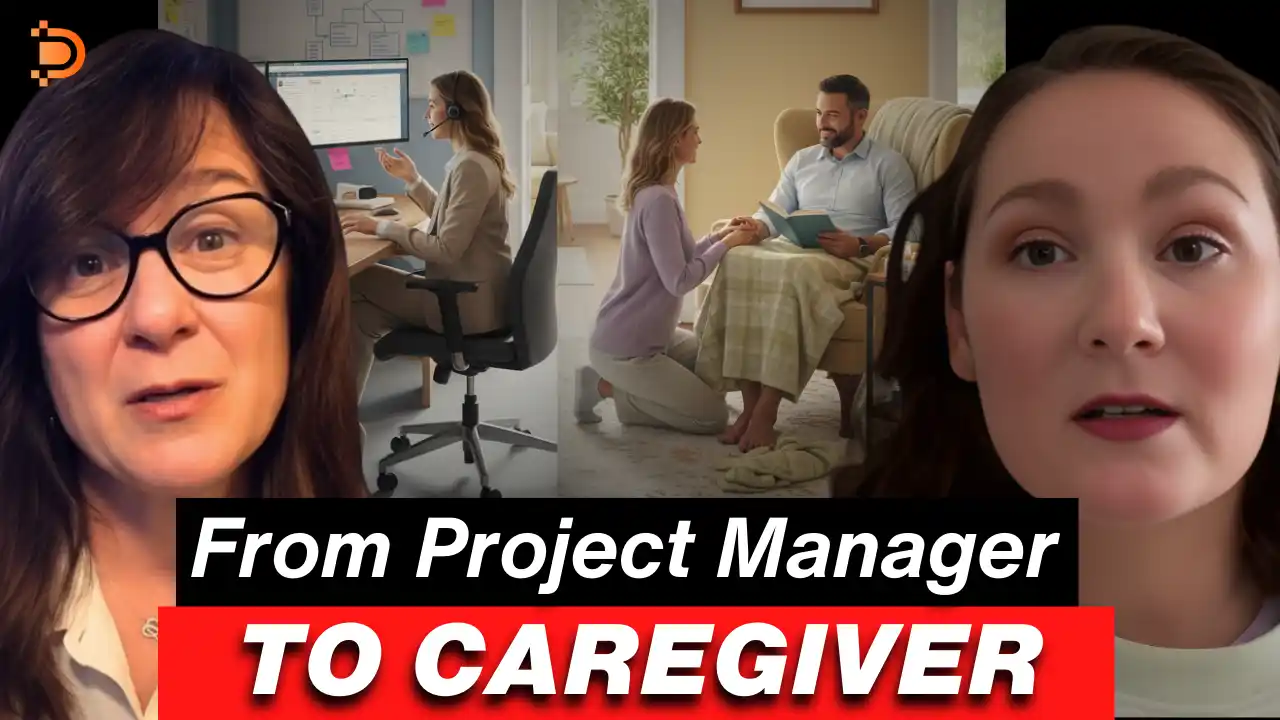
Caregiving is a Project: Balancing a High-Stakes Career with Terminal Caregiving | Anna Myers
What happens when the "Black Diamond" skier you love suffers a stroke and a terminal brain cancer diagnosis—just two weeks after your engagement? In this episode of The Digital Legacy Podcast, host Niki Weiss, Digital Thanatologist, sits down with a very special guest: her daughter, Anna Myers. Anna shares the harrowing journey of caregiving for her husband, James, who has been battling a rare brain cancer for 12 years, and the sudden "180-degree shift" that occurred when radiation treatment led to a debilitating stroke in 2025. You’ll discover: How a routine scan ended seven years of "no evidence of disease" and triggered a snowball of aggressive medical decisions. Moving from independent partners to a "wheelchair-bound" reality, and how to rearrange your physical and emotional life overnight. Why waiting for a terminal diagnosis to start your Final Playbook is a dangerous game that leads to legal and mental incapacity. A raw look at "Digitality"—facilitating a corporate presentation while your spouse is violently ill in the next room. Why they chose to stop radiation treatment when the "quantity" of life began to destroy the "quality". How the couple uses humor and spiritual curiosity to prepare for a connection that lasts "through the end of time". Because your legacy isn't for you—it’s for the people who have to pick up the pieces when you can no longer hold them yourself.
Description:
What happens when the "Black Diamond" skier you love suffers a stroke and a terminal brain cancer diagnosis—just two weeks after your engagement?
In this episode of The Digital Legacy Podcast, host Niki Weiss, Digital Thanatologist, sits down with a very special guest: her daughter, Anna Myers. Anna shares the harrowing journey of caregiving for her husband, James, who has been battling a rare brain cancer for 12 years, and the sudden "180-degree shift" that occurred when radiation treatment led to a debilitating stroke in 2025.
You’ll discover:
How a routine scan ended seven years of "no evidence of disease" and triggered a snowball of aggressive medical decisions.
Moving from independent partners to a "wheelchair-bound" reality, and how to rearrange your physical and emotional life overnight.
Why waiting for a terminal diagnosis to start your Final Playbook is a dangerous game that leads to legal and mental incapacity.
A raw look at "Digitality"—facilitating a corporate presentation while your spouse is violently ill in the next room.
Why they chose to stop radiation treatment when the "quantity" of life began to destroy the "quality".
How the couple uses humor and spiritual curiosity to prepare for a connection that lasts "through the end of time".
Because your legacy isn't for you—it’s for the people who have to pick up the pieces when you can no longer hold them yourself.


Comments