
The "Natural Death" Guide: Understanding Palliative and Hospice Care in 2026 | Holly Vossel
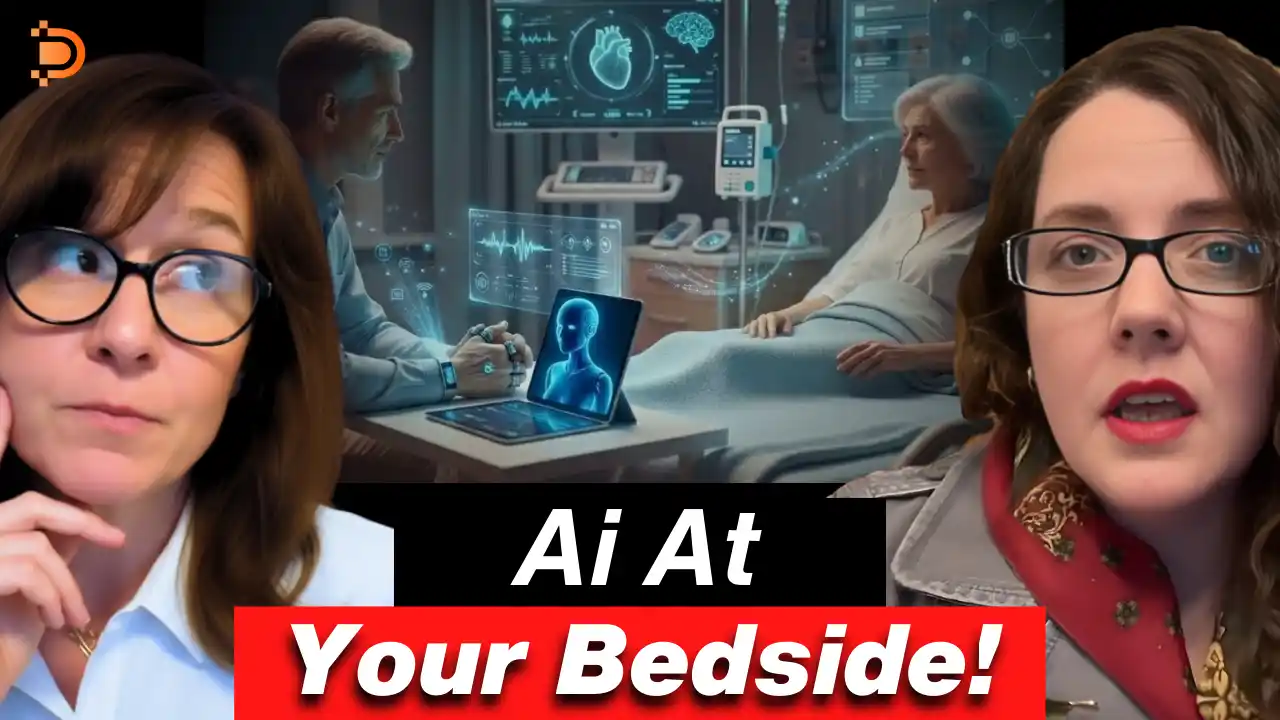
What happens when the "6-month" clock starts ticking—and you realize you don't actually know what your loved one wants? In this episode of The Digital Legacy Podcast, host Niki Weiss, Digital Thanatologist, sits down with Holly Vossel, Senior Reporter at Hospice News. They strip away the myths surrounding end-of-life care, explain why "palliative" is not a dirty word, and discuss how technology is beginning to fill the gaps in our swelling, aging population. You’ll discover: Why millions of Americans underutilize the Medicare Hospice Benefit because they don't realize it’s a fully covered service. The "pronunciation-challenged" word that actually allows you to keep curative treatments while receiving a specialized layer of support. Why 33% of us will become family caregivers—often at a younger age than we ever expected. The dangers of using ChatGPT to write obituaries and synthesize medical decisions instead of talking to a human clinician. How hospices are using data to identify "red flags" of decline before a crisis occurs. Why having a medical proxy isn't enough if they don't have the keys to your digital assets and bank accounts. Because as Holly notes, "Death comes for us all—we don't get to pick the end, but we can have autonomy in how we live those final days."
Description:
What happens when the "6-month" clock starts ticking—and you realize you don't actually know what your loved one wants?
In this episode of The Digital Legacy Podcast, host Niki Weiss, Digital Thanatologist, sits down with Holly Vossel, Senior Reporter at Hospice News. They strip away the myths surrounding end-of-life care, explain why "palliative" is not a dirty word, and discuss how technology is beginning to fill the gaps in our swelling, aging population.
You’ll discover:
Why millions of Americans underutilize the Medicare Hospice Benefit because they don't realize it’s a fully covered service.
The "pronunciation-challenged" word that actually allows you to keep curative treatments while receiving a specialized layer of support.
Why 33% of us will become family caregivers—often at a younger age than we ever expected.
The dangers of using ChatGPT to write obituaries and synthesize medical decisions instead of talking to a human clinician.
How hospices are using data to identify "red flags" of decline before a crisis occurs.
Why having a medical proxy isn't enough if they don't have the keys to your digital assets and bank accounts.
Because as Holly notes, "Death comes for us all—we don't get to pick the end, but we can have autonomy in how we live those final days."


Comments