
The Hidden Administrative Burden of Loss: Navigating the Paperwork of Grief
Losing a loved one is an experience that shakes us to our core. In the midst of profound heartbreak, the last thing anyone wants to think about is paperwork, closing bank accounts, or filing taxes. Yet, this is the reality that millions of grieving families face every day. When a parent, partner, or family member passes away, those left behind are often thrust into a labyrinth of bureaucracy. This administrative burden of loss is a silent struggle. It adds layers of stress and confusion to an already devastating time in our lives. Recently, Niki Weiss sat down with Emily Kyle on the Digital Legacy Podcast to discuss this very challenge . Emily is the founder and CEO of Good Grief, a platform designed to guide families through the overwhelming logistics that follow a death. Her journey offers a compassionate look at why end-of-life planning is the ultimate act of love for those we leave behind.
About This Blog
Losing a loved one is an experience that shakes us to our core. In the midst of profound heartbreak, the last thing anyone wants to think about is paperwork, closing bank accounts, or filing taxes. Yet, this is the reality that millions of grieving families face every day.
When a parent, partner, or family member passes away, those left behind are often thrust into a labyrinth of bureaucracy. This administrative burden of loss is a silent struggle. It adds layers of stress and confusion to an already devastating time in our lives.
Recently, Niki Weiss sat down with Emily Kyle on the Digital Legacy Podcast to discuss this very challenge . Emily is the founder and CEO of Good Grief, a platform designed to guide families through the overwhelming logistics that follow a death. Her journey offers a compassionate look at why end-of-life planning is the ultimate act of love for those we leave behind.
The 570-Hour Part-Time Job
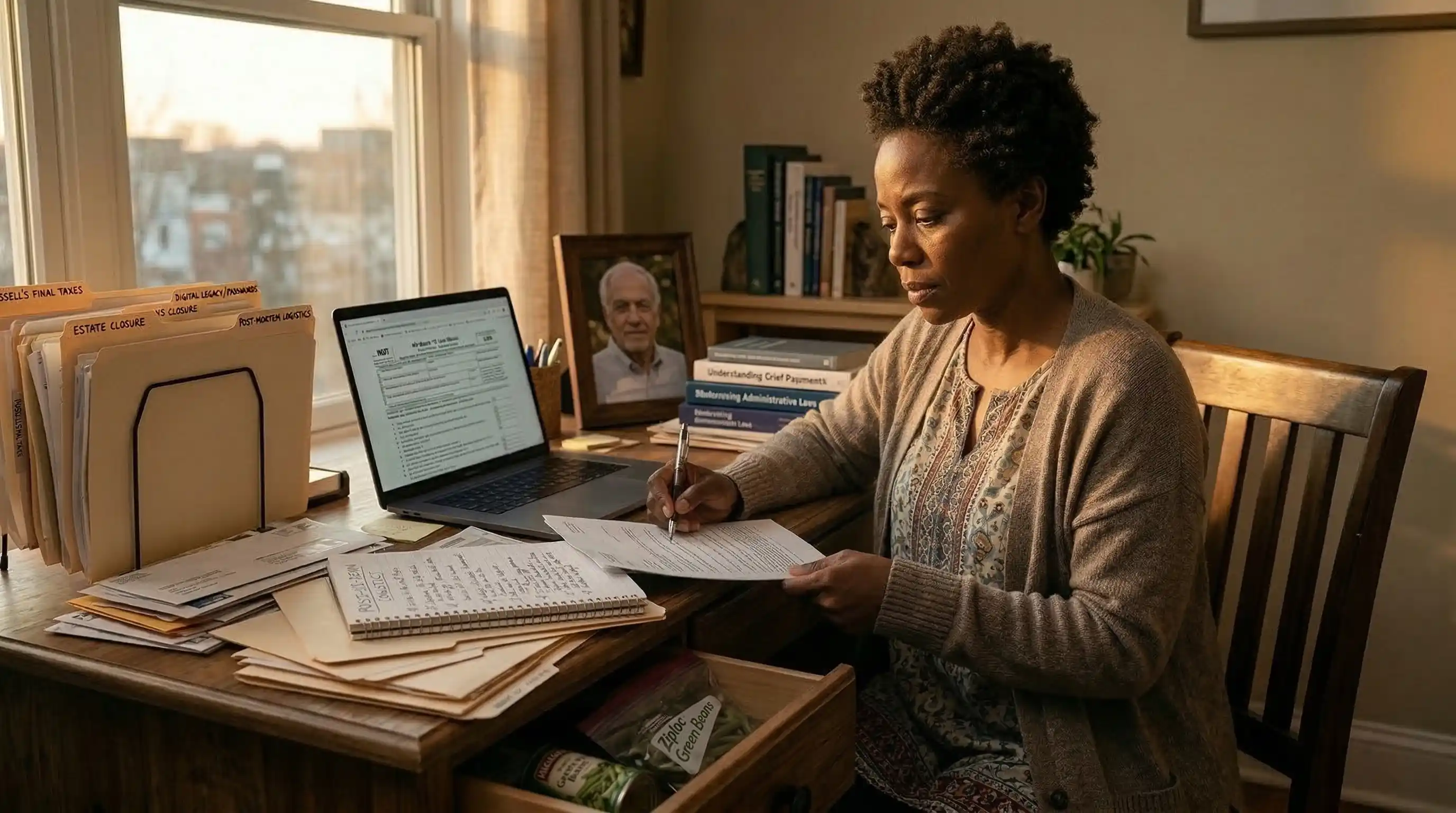
Many of us mistakenly believe that having a legal will means our affairs are completely in order. While a will provides a necessary roadmap for the courts, it does not manage the day-to-day administrative tasks . It does not tell your family how to sell your house, cancel your utility bills, or track down your digital passwords.
The reality is staggering. On average, settling an estate takes around two years to fully close out. The administrative tasks alone demand roughly 570 hours of work from the grieving family. That is the equivalent of taking on a massive part-time job while trying to process the loss of someone you love.
This burden is growing heavier due to our digital sprawl. We have countless online accounts, recurring subscriptions, and hidden digital assets. Finding and closing these accounts is incredibly difficult. Emily even had to hire a private investigator just to uncover her father's physical and digital footprint .
Busting the "I Don't Have Assets" Myth
A common reason people avoid end-of-life planning is the belief that they simply do not have enough money to warrant a plan. They might say that they do not have a massive estate, so there is nothing to worry about.
However, everyone leaves behind a footprint. Even if you do not have a large bank account, you still have an identity to close out. You have final taxes that must be filed, as dead people cannot escape the IRS. You also have personal wishes, family stories, and a unique legacy that deserves to be passed down .
When we avoid planning, we leave our families to navigate a complex maze. Banks and service providers do not make it easy to close accounts. Often, grieving family members are forced to track down fax machines just to send death certificates to unhelpful customer service departments .
Making One-Way Decisions in Crisis
When a death occurs unexpectedly, families are forced to make major financial and logistical decisions in a state of shock. In these vulnerable moments, our brains are simply not processing information clearly .
This vulnerability is especially apparent when making funeral arrangements. Without a pre-existing plan, families often choose the most accessible or affordable options presented to them, such as standard cremation . They might not know that their loved one would have preferred a green burial or even body donation.
Furthermore, funeral costs are rising rapidly, consistently outpacing regular inflation . Because families feel rushed and believe it is insensitive to negotiate prices while grieving, they often overspend . Shockingly, recent data shows that 37% of people have to finance death-related expenses, plunging them into debt during a tragedy.
Finding Laughter Amidst the Tears
While the administrative side of death is daunting, the grieving process itself is deeply human and surprisingly multi-faceted. Grief is not just about crying. It is also about remembering the joy, the quirks, and the humor of the person who passed away.
Emily shared a beautiful, hilarious story about honoring her father, Russell. Three years after his passing, her family finally gathered to scatter his ashes near his childhood home in Los Angeles . Because her parents were divorced, her mother transported the ashes on an airplane inside a giant Ziploc bag labeled "green beans" .
Naturally, the bag was flagged by airport security . Later, while trying to discreetly scatter the ashes on a busy street, a nearby dumpster accidentally fell toward Emily, blowing the ashes right back into her face . While chaotic, these moments brought immense laughter to her family. They knew her prankster father would have found the entire situation absolutely hysterical.
Small Steps Toward a Prepared Future
We cannot control the pain of losing someone, but we can completely control the administrative mess left behind. By taking action today, we protect our loved ones from unnecessary stress, legal battles, and financial strain.
Consider taking these small, empowering steps this week:
Start the Conversation: Talk to your family about your final wishes. Even if you just share the "vibe" you want for your memorial, that guidance is a massive relief for your family.
Document Your Digital Life: Keep a secure, updated list of your online passwords, subscriptions, and bank accounts.
Explore Your Options Early: Research funeral, cremation, or body donation options now. You can lock in prices and make calm, informed decisions outside of a crisis scenario .
Take the Next Step: Start Planning with My Final Playbook


Related Blog
Duis mi velit, auctor vitae leo a, luctus congue dolor. Nullam at velit quis tortor malesuada ultrices vitae vitae lacus. Curabitur tortor purus, tempor in dignissim eget, convallis in lorem.



Comments