Strategies for Protecting Your Online Assets After Death

In today's digital age, our online presence has become an integral part of our lives. But what happens to our digital footprint when we're no longer here? On this week’s episode of Death and Dying in the Digital Age, I got to speak with tech expert Jacki Roach.

About This Blog

In today's digital age, our online presence has become an integral part of our lives. But what happens to our digital footprint when we're no longer here? On this week’s episode of Death and Dying in the Digital Age, I got to speak with tech expert Jacki Roach.

Jacki Roach brings her unique perspective. With a background in traditional media, specifically newspapers, Roach witnessed firsthand the industry's digital transformation. This led her to look deeper into the world of technology, particularly blockchain and digital assets. Her experience managing her late father's digital presence further fueled her interest in digital legacy planning.

As we navigate the complexities of the digital world, it's becoming increasingly important to consider what happens to our online assets after we're gone. From social media accounts to cryptocurrencies, our digital footprint is vast and valuable. In this blog post, we'll explore four key strategies for preserving your digital legacy and ensuring your online assets are protected long after you're gone.

Your Digital Legacy in Perspective

Few of us could have predicted the extent to which our lives would become intertwined with the digital world in the early days of the internet. Over the years, many of us have accumulated numerous email accounts, social media profiles, and other online assets. These digital assets form a significant part of our legacy, yet they're often overlooked in traditional estate planning.

Our digital footprint extends far beyond just our social media accounts. It includes our online banking information, digital photos and videos, personal blogs, professional websites, and even our digital currency holdings. Each of these assets holds value, whether sentimental or financial, and deserves consideration in our legacy planning.

The rise of artificial intelligence and digital avatars presents new challenges and considerations. There's now the possibility of AI recreating people based on their social media presence. This raises important questions about how we want to be remembered and represented after we're gone. Do we want a digital version of ourselves to live on, or would we prefer our online presence to fade away with us?

Navigating the "Zombie Web" and Ghost Accounts

One of the most intriguing concepts is the "zombie web" and ghost accounts. These terms refer to the digital remnants we leave behind—accounts that remain active long after we stop using them or even after we pass away.

The zombie web is a collection of dormant accounts, outdated information, and digital debris that continues to exist on servers around the world. This digital clutter not only takes up space but can also pose security risks. Ghost accounts, on the other hand, are accounts that can be taken over and used maliciously after the original owner has passed away.

To combat these issues, it's crucial to regularly audit your digital presence. This means:

  • Reviewing all your online accounts
  • Closing or deleting accounts you no longer use
  • Updating privacy settings on active accounts
  • Considering the use of a password manager to keep track of all your accounts

By actively managing your digital presence, you can reduce the risk of your information being misused after you're gone and ensure that your digital legacy accurately reflects your wishes.

Web3 and Blockchain Technology

As we look to the future of digital asset management, Web3 and blockchain technology offer promising solutions. These technologies give users more control over their data and digital assets.

Web3, often referred to as the next evolution of the internet, promises to shift the power dynamics of data ownership. Unlike the current model, where large corporations own and control user data, Web3 aims to give individuals sovereignty over their own data. This could revolutionize how we manage our digital assets, both during our lifetime and after.

Blockchain technology, which underpins cryptocurrencies like Bitcoin, offers a secure and transparent way to manage digital assets. With blockchain, you can have full ownership and control over your digital assets without relying on a centralized authority. This is particularly important when it comes to legacy planning, as it allows for a more seamless transfer of digital assets to your heirs.

Practical Strategies for Digital Asset Protection

While cutting-edge technologies like blockchain offer exciting possibilities for the future, there are also practical steps you can take today to protect your digital assets. In the podcast, Jacki Roach shares several strategies that are both effective and accessible.

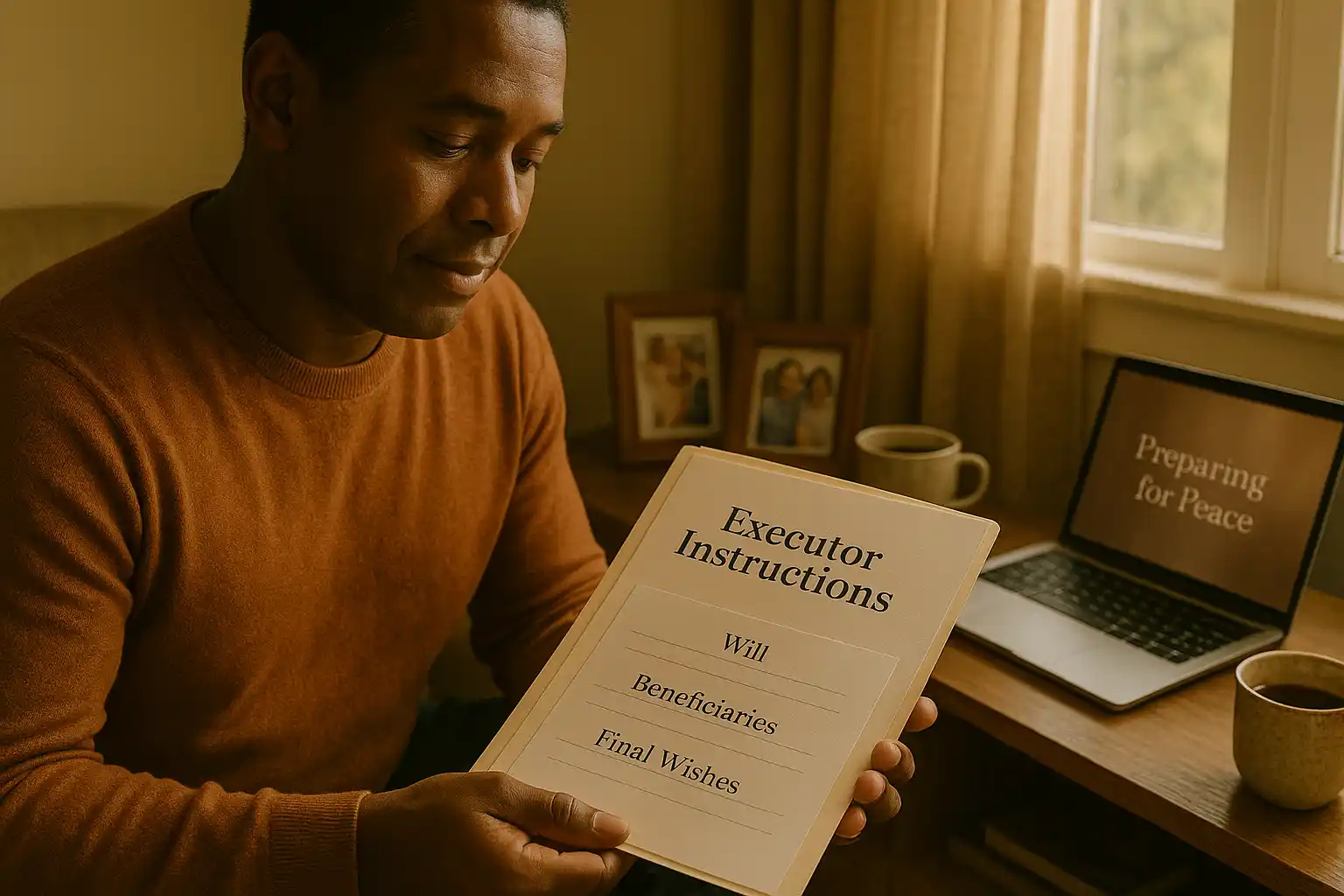
One of the most important steps is to appoint a digital executor. This person should be tech-savvy and trustworthy, capable of managing your digital assets according to your wishes after you're gone. They should be given clear instructions on how to access your accounts and what to do with each of them.

Another crucial aspect is the secure storage of your passwords and access information. While digital password managers are convenient, Roach suggests that good old-fashioned pen and paper can still be one of the most secure methods. Some people go to extreme lengths to protect their digital asset information, such as carving seed phrases (used to access cryptocurrency wallets) onto metal plates and storing them in safety deposit boxes.

It's also important to regularly review and update your digital asset inventory. This includes not just your social media accounts and email but also any digital currencies, online businesses, or other valuable digital assets you may own. Regular maintenance of your digital presence can prevent the accumulation of zombie accounts and ensure that your digital legacy remains current and manageable.

Securing Your Digital Legacy

Our digital legacy is a significant part of our overall legacy in today's world. The digital footprints we leave behind can have lasting impacts, both on our loved ones and on how we're remembered. It's crucial that we take proactive steps to manage and protect our digital assets.

Here are some key actions you can take today to start securing your digital legacy:

  • Create a comprehensive inventory of your digital assets
  • Appoint a tech-savvy digital executor
  • Regularly review and clean up your online accounts
  • Implement secure storage methods for your passwords and access information
  • Consider incorporating digital assets into your will or estate plan
  • Stay informed about new technologies and best practices in digital asset management

In the digital age, planning your legacy is about more than just physical assets. Your online presence, your digital creations, and your virtual assets all form part of the legacy you'll leave behind. By taking control of your digital legacy now, you can ensure that your wishes are respected and your digital assets are protected long after you're gone.


Don't leave any pieces of your legacy to chance. As a next step, you can start and develop your plan by downloading the app, My Final Playbook. Through this app, you'll be able to start and learn how to organize your legal, financial, physical, and digital assets today.

 In the digital age, planning your legacy is just a click away. Until then, keep your password safe and your playbook up to date. 

Related Blog

Duis mi velit, auctor vitae leo a, luctus congue dolor. Nullam at velit quis tortor malesuada ultrices vitae vitae lacus. Curabitur tortor purus, tempor in dignissim eget, convallis in lorem.

Navigating the Digital Afterlife: Cybersecurity as a Pillar of End-of-Life Planning

The landscape of loss and legacy has shifted dramatically. Where once photo albums graced our shelves and important documents filled filing cabinets, our memories, finances, and even our very identities now live in the digital realm. This evolution brings both convenience and a profound new challenge: how do we ensure our digital selves are cared for after we are gone? This deeply personal and increasingly complex question was recently explored on the Digital Legacy Podcast by Niki Weiss, who sat down with cybersecurity expert Joshua Marpet. Joshua, a man with a unique background as an ex-cop and ex-fireman, has witnessed death and its aftermath through many lenses. His insights, born from both firsthand experience and forensic cybersecurity work, illuminate the critical need for proactive digital end-of-life planning. He highlights that while many of us shy away from contemplating our mortality, a lack of preparation can leave an immense burden on those we leave behind. The conversation with Niki delves into the surprising changes in digital assets over the last decade, particularly the explosion of digital photos, and ventures into the thought-provoking future of AI and digital personhood. The Photo Tsunami: From Cardboard Boxes to Cloud Storage Joshua Marpet pinpoints the proliferation of digital photos as one of the most significant shifts he has observed. He recalls a time when physical photo albums were shared at family gatherings, tangible relics to be distributed and cherished. Today, he notes, we carry thousands upon thousands of images on our phones and in cloud storage. This convenience, however, masks a silent vulnerability. The concern is not just the sheer volume of images, but their long-term security and accessibility. Cloud services, while robust, are not infallible. Joshua recounts an instance where a major cloud provider experienced significant photo loss, leaving users bewildered. Furthermore, these services often rely on ongoing subscriptions. If a loved one passes and their accounts are not managed promptly, those precious memories could vanish if subscription fees are not paid. The emotional toll of losing a lifetime of digital photographs can be immense for grieving families. This raises a crucial question: how do we safeguard these invaluable digital assets for future generations? Beyond Photos: The Tangled Web of Digital Assets While photos are often the most relatable digital asset, Joshua quickly broadens the discussion to encompass the vast array of online accounts, documents, and even financial holdings that make up our digital lives. He challenges listeners with a poignant question: if you were to pass today, who would have access to your email, your work accounts, your important documents, and your financial information? The reality for many is a frustrating void of passwords and access codes, often stored only in our minds. This oversight can have serious consequences. Joshua illustrates this with a stark example from the cryptocurrency world. He describes the tragic case of a young exchange owner who died unexpectedly, without having backed up his cryptographic keys. His death rendered millions of dollars in client funds inaccessible, leaving countless individuals with nothing. This tale underscores the critical importance of secure, accessible planning for all digital assets, not just personal photos. It’s a powerful reminder that our digital lives intersect directly with our financial future and the well-being of our beneficiaries. The Age-Old Avoidance: Why We Don't Plan Niki points out a common dichotomy in attitudes towards end-of-life planning. There are those in their 70s and 80s who might feel a sense of detachment, believing "dead is dead," and for whom traditional planning might feel less urgent. Then there are younger, tech-savvy individuals, like the "crypto bros" Niki encountered, who, despite managing significant digital wealth, also express a surprising lack of concern for their digital legacy. Joshua acknowledges both perspectives but emphasizes the rarity of such detachment for most people. Thinking about death is uncomfortable for everyone, but Joshua's background offers a unique perspective. He shares a deeply personal anecdote from his time as a police officer, recounting a moment when he confronted a prison riot by himself. In that moment, he mentally "died" and accepted the potential outcome, emerging with a renewed appreciation for life. While most people do not face such extreme circumstances, he believes these kinds of profound experiences can shift one's perspective on mortality and the importance of preparing for it. This insight highlights that for many, the reluctance to plan stems from a natural human aversion to confronting our own impermanence. The Bleeding Edge: AI, Grief Bots, and Digital Personhood The conversation takes a speculative, yet entirely plausible, turn when discussing the future impact of artificial intelligence. Joshua introduces the concept of a "Personal AI Infrastructure" (PAI), a consistent, stateful AI that remembers past conversations and evolves over time. He ponders whether such an AI could become a "simulacrum," a digital replica, capable of answering questions as if it were the deceased. This leads to the intriguing, and somewhat unsettling, notion of "grief bots." Niki presses Joshua on whether he, as a father, would want his children to have access to an AI version of him after he passes. He admits to mixed feelings. While he would want them to have access while young, he also wants them to form their own lives and relationships. The ethical and psychological implications are enormous. Could a grief bot truly capture the essence of a person, or would it complicate the grieving process? Beyond personal grief, Joshua raises a chilling cybersecurity concern: if a grief bot could accumulate enough information to guess passwords or pass security tests, could it become a vulnerability for a deceased person's assets? This deep dive into AI's potential role in our digital afterlife underscores the urgent need for ethical frameworks and robust security measures. The Future is Necropolis: Facebook and Digital Property Joshua shares a startling statistic: by 2050, Facebook is projected to become a "necropolis," a city of the dead, with more deceased users than living ones. This sobering prediction highlights the scale of our digital legacy problem. He anticipates that social media platforms may eventually monetize memorials, turning them into virtual graveyards requiring subscription fees. This commercialization extends to the very concept of digital intellectual property. Joshua explains that traditionally, the photographer owns the copyright to an image. However, once shared on a platform like Facebook, the terms of service can transfer some or all of those rights. He warns that memorial sites, while appearing to offer solace, could potentially claim ownership of uploaded photos, forcing families to pay licensing fees to access their own memories. The rapid advancement of AI further complicates this. If AI systems begin "taking" or heavily manipulating photos, such as in automated photo booths or integrated into smartphone cameras, who then owns the copyright? These questions pose significant legal and ethical challenges that are still largely unanswered. Simple Steps for a Complex Future As the conversation draws to a close, Joshua transitions from the philosophical to the eminently practical. He acknowledges the complexity of the "rabbit hole" they've descended but offers concrete advice for navigating our digital futures. He foresees a return to printing physical photos for cherished memories, creating tangible artifacts for children to connect with. His most direct and actionable advice focuses on immediate steps anyone can take: Implement a Password Manager: This is a non-negotiable tool for managing the myriad of online accounts. Secure the Master Password: Write down the master password for your password manager. Place it in a sealed, signed envelope. Designate Trusted Access: Entrust this envelope to a lawyer, a safe deposit box, or a very close, trusted friend. Crucially, inform your loved ones about its existence and location. This ensures that in an emergency, or after your passing, those you trust can access the necessary information to manage your digital estate. These simple, yet crucial, actions can alleviate immense stress and uncertainty for your loved ones during an already difficult time. While the digital afterlife continues to evolve at breakneck speed, taking these foundational steps today is a profound act of foresight and care. To delve deeper into these critical conversations and gain more insights from cybersecurity experts, listen to the full episode on the Digital Legacy Podcast with Niki Weiss. You can also connect with Joshua Marpet via email at joshua.marpet@guardedrisk.com or learn more about his work at valuechainrisk.org.

Comments