
Rediscovering the Art of Dying: How a Forgotten Practice Is Making a Digital Comeback
In the age of rapid innovation and hyper-connectivity, we spend vast amounts of energy preparing for the next big life moment: new jobs, marriages, births, even retirement. Yet, the one event that touches every human life—death—remains shrouded in silence. But this is changing. A new wave of thinkers, practitioners, and technologists are leading a resurgence in how we confront and integrate death into our modern lives. In the most recent episode of The Digital Legacy Podcast, host Niki Weiss and grief expert Michelle Desmond, MBA, MS explore this movement and reexamine the ancient practice of dying well—and its rebirth in the digital age.

About This Blog
StartFragment
In the age of rapid innovation and hyper-connectivity, we spend vast amounts of energy preparing for the next big life moment: new jobs, marriages, births, even retirement. Yet, the one event that touches every human life—death—remains shrouded in silence. But this is changing. A new wave of thinkers, practitioners, and technologists are leading a resurgence in how we confront and integrate death into our modern lives. In the most recent episode of The Digital Legacy Podcast, host Niki Weiss and grief expert Michelle Desmond, MBA, MS explore this movement and reexamine the ancient practice of dying well—and its rebirth in the digital age.
Death as a Human Experience, Not a Crisis
For centuries, death was an intimate part of life. People were born and died at home, surrounded by family. Mourning was visible, public, and structured. But in the last hundred years—especially in the Western world—death has become medicalized, institutionalized, and often invisible. We lost not just rituals, but a societal vocabulary for grief.
Today’s death-positive movement is a counterbalance to that erasure. It seeks to normalize conversations around dying, grief, and legacy. More people are choosing careers as end-of-life doulas, grief educators, and digital legacy consultants. They aren't chasing morbid curiosity—they're honoring our shared mortality.
And it’s not just for those in the throes of loss. It’s for all of us. By making space for the hard conversations now, we soften the landing later—for ourselves and our loved ones.
Grief Literacy: An Essential Life Skill
Grief remains uncomfortable and unfamiliar territory for many. We often struggle with what to say, how to act, or simply how to process our own sadness. But grief literacy—the ability to understand and navigate loss, both for ourselves and to support others—is now gaining recognition as a critical life skill.
Imagine if we included grief education alongside the rest of our typical education in schools. Understanding the emotional aspects of mourning, recognizing diverse cultural practices around death, and learning about anticipatory grief could become as routine and essential as studying algebra.
Growing public interest in thanatology—the academic study of death and dying—indicates this idea is becoming more than just theoretical. Universities are now offering specialized graduate programs in thanatology, preparing students with both scholarly knowledge and a compassionate, human-centered understanding of mortality.
Legacy in the Age of the Internet
EndFragmentToday, we live multiple lives: our physical lives, our emotional and spiritual lives, and our digital ones. Most of us will leave behind thousands of digital footprints—photos, emails, posts, and files—that form a mosaic of who we were. But very few of us have a plan for what should happen to that legacy.
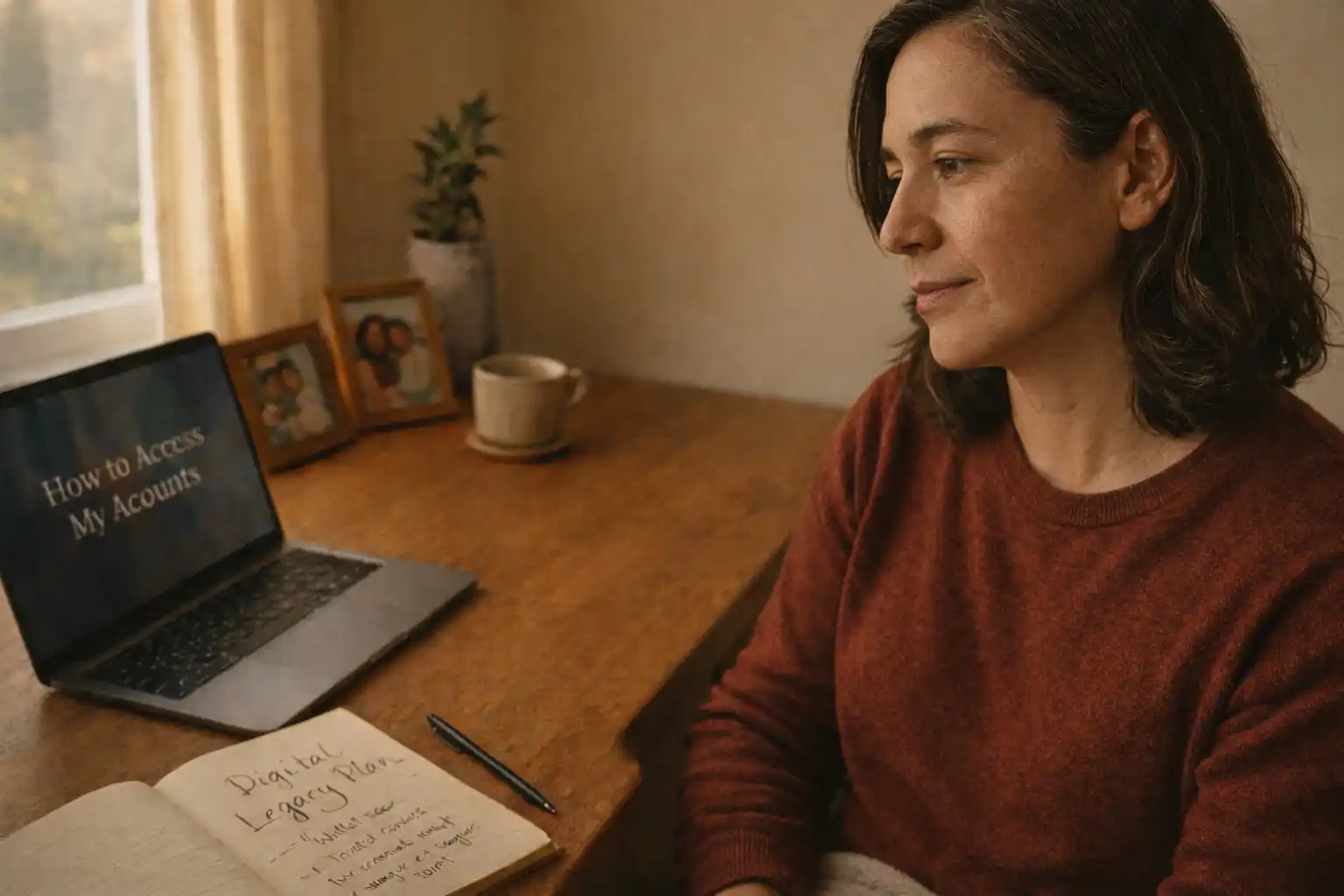
Digital legacy planning is not just about protecting assets or preventing identity theft. It’s about shaping the narrative you leave behind. It asks questions like: Do I want my social media to remain active after I’m gone? Should my loved ones have access to my cloud storage or email? What values, memories, or messages do I want to pass on in digital form?
These aren’t just technical decisions. They’re deeply personal ones. And they require as much forethought and care as any legal will or healthcare directive.
End-of-Life Doulas: Companionship for the Final Journey
Just as birth doulas assist in ushering new life into the world, death doulas help guide people through the end of life. Their role is non-medical but profoundly impactful. They offer emotional, spiritual, and logistical support to individuals and their families as death approaches.
In a society that tends to warehouse the dying—especially elders—into clinical or isolated settings, the work of death doulas restores humanity and presence to the dying process. They encourage open conversations, rituals, life reviews, and sometimes simply quiet companionship.
The resurgence of death doulas is part of a broader shift toward "death reclaiming"—bringing the sacred, communal, and personal elements back into a process that has become overly sterile and disconnected.
Why It Matters Now
We’re living longer but not necessarily dying better. Medical advances have prolonged life, but often at the cost of quality. The question "How do I want to live at the end of my life?" is one we rarely ask—until it's too late.
As society becomes more tech-savvy, so too must our approach to end-of-life planning. It's not just about filling out forms or checking legal boxes. It's about legacy, dignity, and ensuring that our final chapter reflects our values.
This means understanding the continuum between life, dying, and grieving. It means involving our families in our decisions, articulating our healthcare wishes clearly, and being willing to confront uncomfortable truths long before a crisis forces our hand.
A Call to Re-Engage
If there’s one message that echoes across this emerging movement, it's that death isn't just about endings. It’s about meaning, relationship, and continuity. Whether through documenting your digital legacy, having that hard conversation with your parents, or exploring your own grief story, each step taken is a radical act of love—for yourself and those you leave behind.
So what can you do today?
Start small. Pick one end-of-life document (a will, an advance directive) and complete it.
Have one conversation. Talk to a family member or friend about your wishes—or ask about theirs.
Curate your digital life. Decide what should happen to your accounts, files, and online presence.
Learn more. Read books like Being Mortal or Death and Other Stories, or follow digital legacy educators online.
Be present. Sit with someone grieving. Listen without trying to fix. Show up.
We’re not just rediscovering death—we’re rehumanizing it. And in doing so, we’re learning how to live more fully, more authentically, and more connected to what really matters.
Want to hear more about how professionals are leading the way in rethinking death and grief? Watch the full episode of the Digital Legacy Podcast with Niki and Michelle on YouTube. You won’t want to miss their heartfelt, groundbreaking conversation.
If something happened to you, would the people in your life know what to do? Don't leave your loved ones in the dark. Start developing your end-of-life and digital legacy plan. Download the My Final Playbook App on the App Store or Google Play or visit us online at Final-Playbook.Passion.io to get started. With My Final Playbook, you'll be able to start and learn how to organize your legal, financial, physical, and digital assets today. Until then, keep your password safe and your playbook up to date. EndFragment
Related Blog
Duis mi velit, auctor vitae leo a, luctus congue dolor. Nullam at velit quis tortor malesuada ultrices vitae vitae lacus. Curabitur tortor purus, tempor in dignissim eget, convallis in lorem.

Comments