Planning for the Inevitable: Crypto, Care, and the Power of Being Prepared

Most people don’t want to think about dying—especially when their digital life feels so intangible. But if no one knows your seed phrase, the assets you’ve built could disappear forever. Avoiding the conversation does not protect your privacy or security. Instead, it often leaves confusion, debt, and heartbreak for the people you love most. For Marimer Cruz-Nieves, known as the Crypto Rican Insurance Queen, end-of-life planning is about more than paperwork. It is about protecting your legacy, easing your family’s burden, and ensuring that both your physical and digital worlds are secure in a future that is always changing.
About This Blog

Most people don’t want to think about dying. Especially when their digital life feels so intangible. But if no one knows your seed phrase, the assets you’ve built could disappear forever.

Avoiding the conversation does not protect your privacy or security. Instead, it often leaves confusion, debt, and heartbreak for the people you love most.

For Marimer Cruz-Nieves, known as the Crypto Rican Insurance Queen, end-of-life planning is about more than paperwork. It is about protecting your legacy, easing your family’s burden, and ensuring that both your physical and digital worlds are secure in a future that is always changing.


From a Grandfather’s Legacy to Digital Responsibility

Marimer’s story begins with her grandfather, a humble man who passed away in 1992. Despite only reaching a fourth-grade education, he planned everything carefully. His passing showed Marimer the importance of preparation and left a lasting impression.

Years later, immersed in the world of cryptocurrency and blockchain, she realized a troubling pattern. Many in the Web3 space do not prepare for what happens to their digital assets after they are gone. Wallets, seed phrases, and holdings are often untracked or inaccessible, leading to devastating losses.


Why Crypto Estate Planning Requires Special Attention

Crypto assets are different from traditional ones. If your loved ones do not have your seed phrase, they will not be able to recover your assets. Unlike banks, decentralized platforms do not offer support or recovery options.

Marimer shared a real-life example of a friend who passed away unexpectedly. His wife had no access to his crypto accounts. As a result, the community had to raise funds through GoFundMe just to cover funeral expenses.


Practical Steps to Secure Your Crypto Legacy

To avoid this kind of outcome, Marimer recommends these important steps:

  • Write down your seed phrases and store them in a fireproof, waterproof safe.

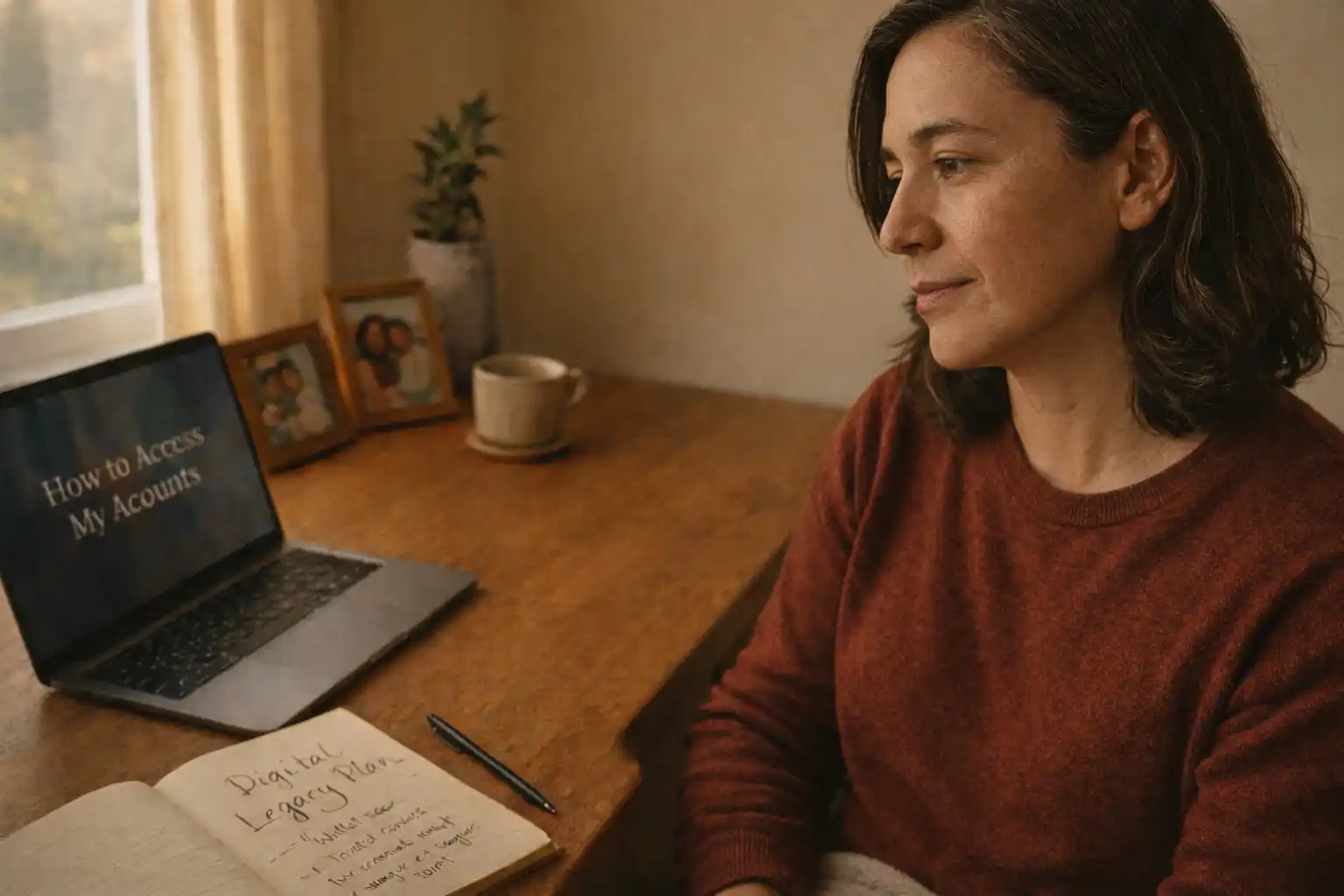
  • Record a short video explaining how to access your wallets and accounts.

  • Share the location of this information with a trusted person.

  • Use offline (cold) wallets for high-value storage.

  • Revisit your plan twice a year to make updates

These actions are not just technical. They are acts of love and responsibility.


Life Insurance and Long-Term Care: What You Might Be Missing

Planning for death also includes preparing for the possibility of extended illness. According to Marimer, around 70 percent of people will need long-term care at some point. These services can cost up to $200,000 per year, and they are rarely fully covered by Medicare.

She recommends considering life insurance policies with long-term care riders, or annuities that provide both income and protection in the event of illness. These products can safeguard your savings and prevent your family from facing overwhelming financial strain.


Stories That Highlight the Cost of Not Planning

Marimer has seen firsthand what happens when people do not prepare:

  • A neighbor spent three years in probate court after her husband died without a trust.

  • A 46-year-old mother passed away without a will, leaving her children to crowdfund her burial.

  • A friend’s mother became bedridden, with no support in place, forcing an elderly relative to become her full-time caregiver.

These stories are heartbreaking. More importantly, they are preventable.


Why You Might Need a Trust, Even If You Think You Don’t

Many people assume trusts are only for the wealthy. Marimer strongly disagrees.

If you own property, a trust is essential. Unlike wills, which go through probate court, a trust allows your assets to be distributed efficiently, privately, and without unnecessary legal costs.

Marimer works with trusted providers who help clients set up and maintain affordable trusts. The cost is often less than the amount people spend dealing with court disputes later.


Three Steps You Can Take Right Now

If this feels overwhelming, start with just one step:

  1. Write down your digital logins, seed phrases, and passwords.

  2. Identify someone you trust who can access this information in an emergency.

  3. Schedule a meeting with an insurance advisor to explore life and long-term care options.

Every small action you take today helps protect the people you care about tomorrow.


Love Is in the Planning

Marimer is passionate about this work because she has lived through the consequences of poor planning. She believes that preparing for death is not morbid or pessimistic. It is a way of caring for your family and preserving your legacy.

You do not have to do it all at once. Begin with one conversation. One document. One list of passwords.

Your future self and your family will be grateful.

🎧 Watch the full interview between Marimer Cruz-Nieves and Niki Weiss on The Digital Legacy Podcast
🌐 To learn more about crypto and financial planning, visit phoenixsecuritas.com


Take the Next Step: Start Planning with My Final Playbook


Related Blog

Duis mi velit, auctor vitae leo a, luctus congue dolor. Nullam at velit quis tortor malesuada ultrices vitae vitae lacus. Curabitur tortor purus, tempor in dignissim eget, convallis in lorem.

Capturing the Moments That Matter: How Kinnect is Redefining Legacy

It is an uncomfortable truth, but life is fragile and unpredictable. We often spend our days focused on the immediate future, rarely stopping to think about the legacy we are building right now. Yet, when a loved one receives a difficult diagnosis, or when we face our own mortality, our perspective shifts instantly. We realize that the most valuable things we leave behind are not just financial assets or legal documents, but our memories, our stories, and the essence of who we are. Recently, Niki Weiss sat down with Omar Alvarez on the Digital Legacy Podcast to explore this very human experience. Omar is the founder of Kinnect, a new platform designed to help families capture and preserve their stories in a safe, private space. His journey to creating Kinnect is deeply personal, born from a lifelong awareness of life's fleeting nature. A Mission Born from Love and Loss Omar’s dedication to preserving family history began when he was just a child in the fifth grade. His grandfather, a beloved figure who spent summers with his family, was diagnosed with dementia. Watching a vibrant, deeply admired family member slowly fade was a profoundly painful experience. At that young age, Omar realized that memories could be lost. He asked his parents if he, too, could develop dementia. When they honestly answered "yes," a powerful seed was planted. He felt an immediate, urgent need to start saving the pieces of his life. Years later, while building a successful career in marketing, Omar experienced another devastating loss. A close friend was diagnosed with terminal cancer and passed away at only 31 years old. This tragedy solidified his mission. He realized there was a massive lack of resources to help people intentionally capture their life stories while they are still here, and an equally massive lack of support for the friends and family left behind.

Unlocking the Wisdom of Obituaries: What the Dead Can Teach Us About Living

We often treat the subject of death with a heavy silence, keeping it tucked away behind closed doors. But what if we looked at the end of life not just as a period of grief, but as a source of profound wisdom? When we take the time to read the stories left behind, we can find unexpected guidance on how to live our own lives more fully. Recently, Niki Weiss sat down with Mary McGreevy on the Digital Legacy Podcast to explore this very idea. Mary is the creator of the viral social media account, "Tips from Dead People," where she shares the most poignant, hilarious, and brutally honest obituaries she can find. Her journey into this unique world reveals how these final tributes can offer us a fresh perspective on what truly matters in our short jaunt around the sun. The Evolution of the Obituary For decades, obituaries followed a strict, almost clinical formula. Newspapers charged by the word or the line, forcing families to condense a rich, complex life into a brief resume of accomplishments and surviving relatives. This template approach often left out the quirks, passions, and unique details that truly define a person. However, recent global events like the COVID-19 pandemic have sparked a shift in how we memorialize our loved ones. The sheer volume of loss prompted a desire for more expansive storytelling. Today, with the rise of digital platforms like www.Legacy.com and online funeral home websites postings, space is no longer limited. We now have the freedom to tell the whole story, capturing the essence of a person in all their beautiful, messy reality. Finding the Extraordinary in the Ordinary When Mary curates obituaries for her social media, she looks past the famous and the highly accomplished. Instead, she focuses on the everyday people whose stories break the mold. She searches for tributes that reveal the heart of a person, whether through gentle ribbing, a list of peculiar loves and hates, or a brutally honest confession. These non-traditional obituaries remind us that you cannot put a person in a box. They show us that success is not just about awards or wealth; it is about the connections we make and the authentic lives we lead. By reading these stories, we can find inspiration in the ordinary, recognizing that every life, no matter how small it may seem, holds a unique and valuable lesson. The Power of the Self-Written Tribute One of the most fascinating trends Mary has observed is the rise of the self-written obituary. More and more people are choosing to pen their own final farewells. This is a powerful act of claiming one's own narrative. A self-written obituary allows a person to tell their truth, unfiltered by the expectations of others. It can be a space for humor, for setting the record straight, or for offering a final piece of advice. Mary notes that these tributes often come from individuals who lived "zigzaggy" lives, those who bucked convention and want to ensure their story is told on their own terms. It is a final act of empowerment and authenticity. Obituaries as a Tool for Grief When a loved one passes, the task of writing an obituary can feel overwhelming. Grief combined with writer's block can lead families to rely on generic templates or even artificial intelligence to generate a standard tribute. While this is understandable in a time of crisis, it can result in a tribute that feels hollow. An authentic, detailed obituary serves as a powerful tool for grief. When an obituary captures the true essence of a person, including their quirks and imperfections, it becomes a touchstone. It is something a grieving loved one can return to in the middle of the night to find comfort and connection. A carefully crafted story, oozing with love and honesty, stands the test of time far better than a checklist of accomplishments. Small Steps to Shape Your Legacy You don't need to be a professional writer to craft a meaningful legacy. Whether you are planning for yourself or helping a loved one, here are a few simple ways to start: Start a Bulleted List: Keep a running note on your phone of things you love and things you hate. This simple list can provide a charming and accurate snapshot of your personality. Write Your Own Story: If you care about how you will be remembered, take the time to write your own obituary now. You can always revise it later, but capturing your voice ensures your story is told your way. Choose Your Photo: Do not leave your final image up to chance. Select a photo that truly represents you and make sure your family knows where to find it. To hear Mary McGreevy’s full conversation with Niki Weiss, listen to the latest episode of the Digital Legacy Podcast. You can also explore her incredible collection of stories on Instagram and TikTok at @tipsfromdeadpeople.

Comments