
Navigating the Digital Afterlife: Finding Humanity in the Age of AI
Talking about end-of- life is rarely easy. It brings up deep emotions, fears, and a natural instinct to pull away. When we add artificial intelligence and digital legacy to the conversation, it can feel entirely overwhelming. But avoiding these topics does not make them go away. As technology rapidly changes how we live, it is also changing how we remember those who have passed. We are facing entirely new questions about grief, memory, and what it means to be human. I recently had a profound conversation with Jason Batt on the Digital Legacy Podcast. Jason is a technological philosopher, a futurist, and a mythologist. He is also the co-editor of the book, "Soul and the Machine," which explores psychology, mythology, and artificial intelligence. Beyond his academic work, Jason has a deeply compassionate background. As a former minister, he has sat at the bedside of many people in hospice, holding their hands in their final moments. His unique perspective helps us navigate the intersection of human grief and modern technology.
About This Blog
Talking about end-of- life is rarely easy. It brings up deep emotions, fears, and a natural instinct to pull away. When we add artificial intelligence and digital legacy to the conversation, it can feel entirely overwhelming.
But avoiding these topics does not make them go away. As technology rapidly changes how we live, it is also changing how we remember those who have passed. We are facing entirely new questions about grief, memory, and what it means to be human.
I recently had a profound conversation with Jason Batt on the Digital Legacy Podcast. Jason is a technological philosopher, a futurist, and a mythologist. He is also the co-editor of the book, "Soul and the Machine," which explores psychology, mythology, and artificial intelligence.
Beyond his academic work, Jason has a deeply compassionate background. As a former minister, he has sat at the bedside of many people in hospice, holding their hands in their final moments. His unique perspective helps us navigate the intersection of human grief and modern technology.
The Rise of the AI Avatar
We are living in an era that even science fiction writers did not fully predict. Experts thought AI would simply crunch numbers and process data. Instead, it is generating art, writing poetry, and creating human likenesses.
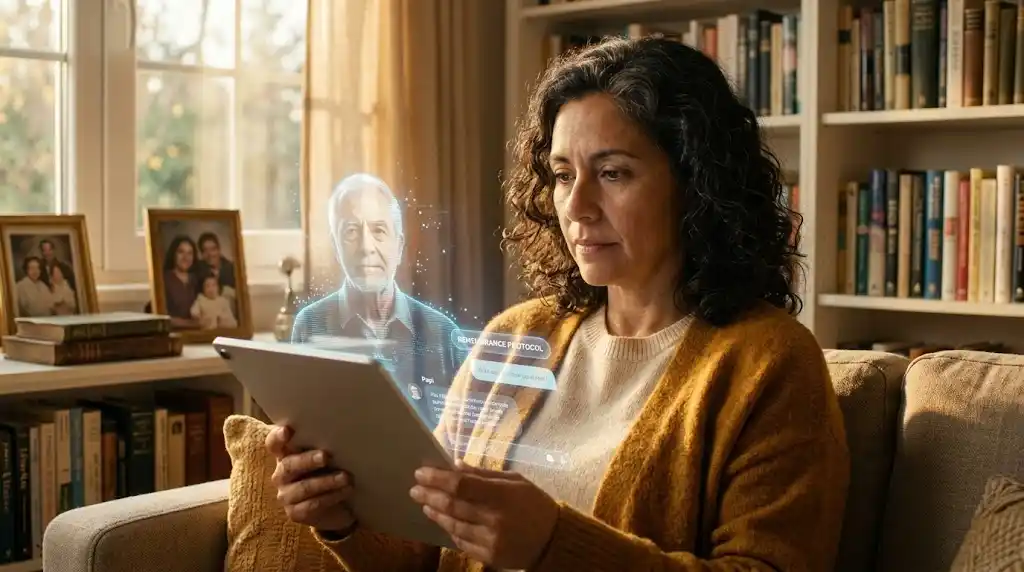
One of the most startling advancements in death tech is the creation of "dead bots". These are AI avatars trained on voice recordings, text messages, and photos of people who have died.
They allow the living to continue having conversations with a digital version of their deceased loved one. While this sounds like a comforting idea, it opens up a massive ethical debate about the nature of the human soul.
Jason points out that major decisions about consciousness and legacy are currently being made in boardrooms. Tech developers are essentially defining the rules of our digital afterlife without widespread public input.
The Question of Digital Consent
When a family decides to create an AI avatar of a lost loved one, we have to ask a difficult question. Are we considering the rights of the deceased?
Did your loved one, who is dying or already dead, consent to having their memories fed into a code and advanced technology so you can communicate with them after they are gone? This idea of "digital consent" is something every family needs to discuss right now.
Furthermore, Jason raises a fascinating futuristic question about the AI models themselves. Some experts believe there is a small chance these models could eventually achieve a form of consciousness.
If that happens, is it ethical to force a sentient AI to endlessly reenact the life of a dead person? It is a concept that sounds like a sci-fi movie, but it is rapidly approaching our reality.
The Power of "What If"
When we lose a loved one, the finality can feel crushing. Yet, Jason encourages us to keep our imaginations alive. We do not have all the answers about what happens after our final breath, and there is a profound beauty in that mystery.
By simply asking "what if," we open the door to hope. What if our loved ones are still present in some way? What if a small piece of our consciousness transitions beyond this physical world?
Allowing yourself to wonder does not mean you are in denial. It means you are embracing the vast, beautiful complexity of the human experience. It helps us to move through the deepest sorrow with a sense of awe.
Small Steps Toward Peace
If you are planning for your own digital legacy or caring for an aging parent, it is vital to face these topics head-on. Jason recommends taking time to truly contemplate your mortality without the distraction of screens.
Put your phone away and take a quiet walk through a peaceful graveyard. Consider volunteering at a local hospice center to sit with those in transition.
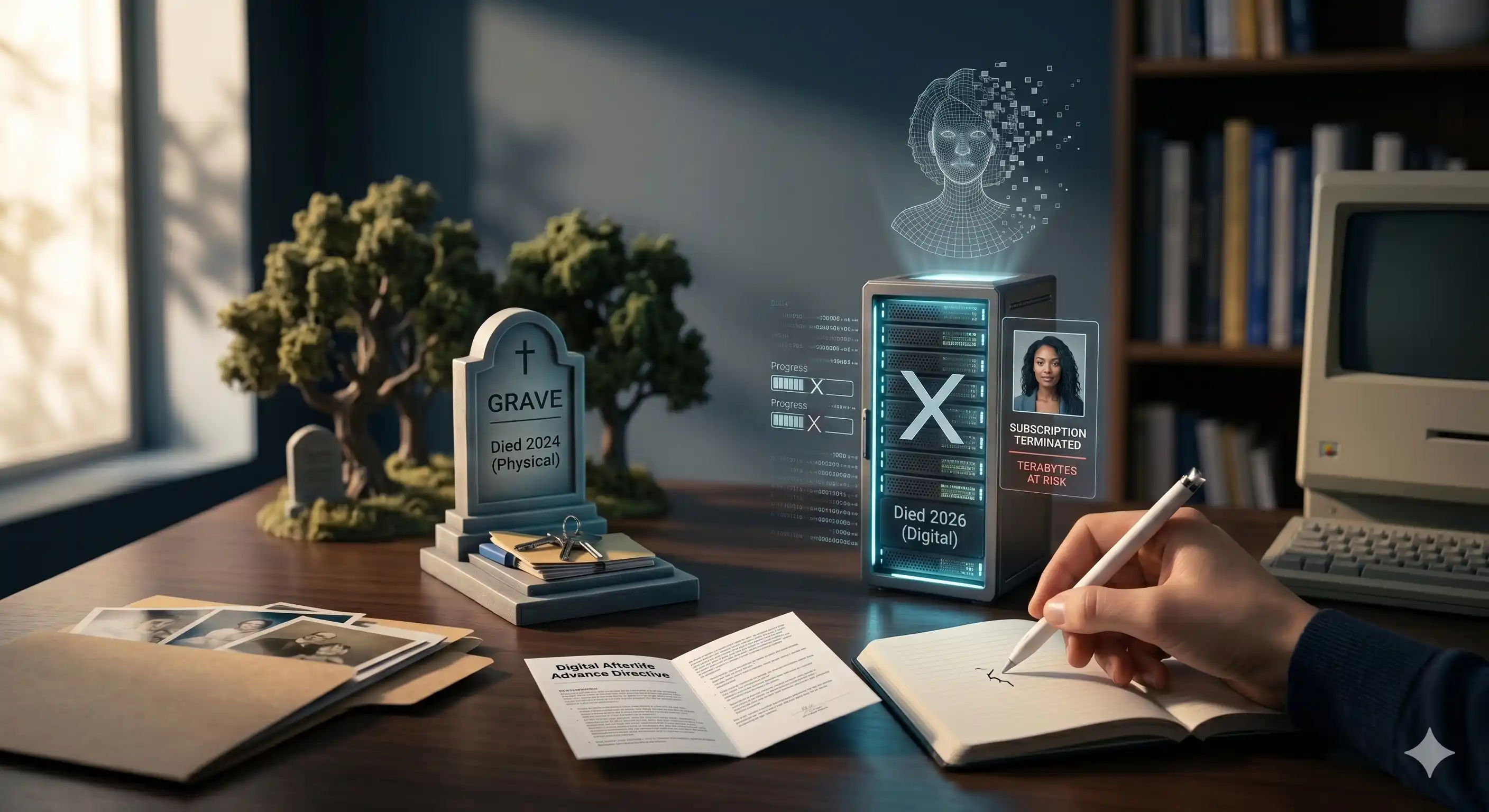
Getting comfortable with the reality of dying removes its terrifying power over you. Start a conversation with your family today about digital boundaries. Decide together how you want your digital data handled after you are gone.
To explore these deep questions further, you can listen to Jason Batt's full interview with Niki Weiss on the Digital Legacy Podcast. You can also discover his books and upcoming classes at JBATT.com.Take the Next Step: Start Planning with My Final Playbook


Related Blog
Duis mi velit, auctor vitae leo a, luctus congue dolor. Nullam at velit quis tortor malesuada ultrices vitae vitae lacus. Curabitur tortor purus, tempor in dignissim eget, convallis in lorem.

Comments