
Navigating Life's Surprises: How Small Steps Make End-of-Life Planning Easier
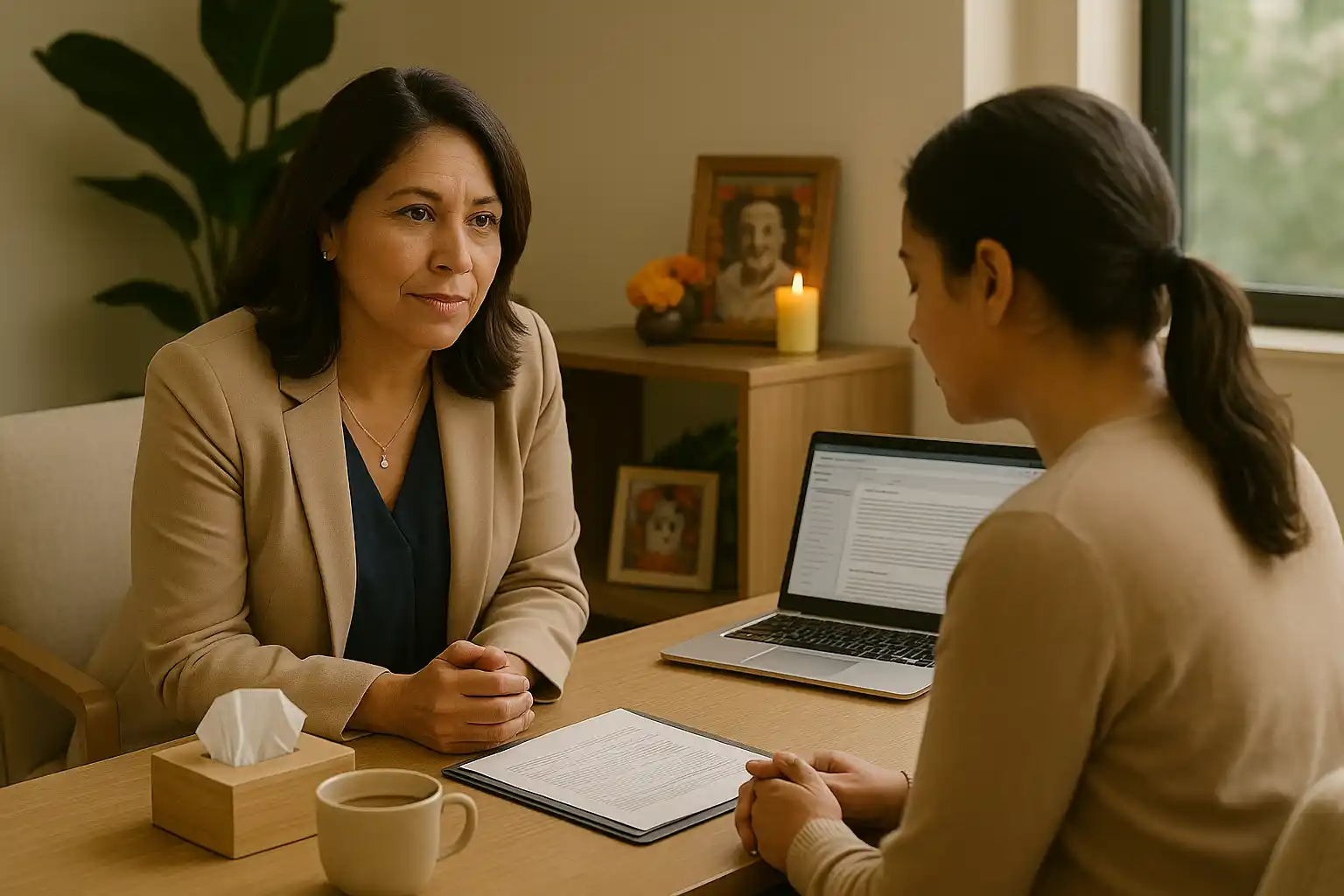
Life is full of unexpected surprises. Some moments bring us beautiful new beginnings, while others bring the heavy weight of caregiving or sudden loss. These major life changes shape who we are. During these transitions, there is one important topic we often try to avoid talking about. That topic is end-of-life planning. It is incredibly common to avoid this conversation. It can feel scary or just too far away to worry about today. However, planning ahead is actually a deep act of love for our families. Recently, Niki Weiss sat down with Paula Soito on the Digital Legacy Podcast to talk about this challenge. Paula is an expert educator who helped build the learning program for the "My Final Playbook" app. Paula explains exactly why planning for the future does not have to be terrifying. With the right teaching steps, it can actually feel empowering and give you total peace of mind. How Our Brains Actually Learn Paula spent over thirty years teaching in traditional classrooms. Today, she helps adults learn in online spaces. Over the years, she found that our brains learn the exact same way no matter how old we are. We all need clear, simple steps to truly understand something new. Paula noticed a big problem in the online world. There is a lot of information out there, but it is often messy and hard to follow. When Paula looked at the complex topics in "My Final Playbook," she saw so much valuable guidance. Her ultimate goal was to turn that heavy information into simple actions. She wanted to remove the fear and confusion around death and dying.

About This Blog
Life is full of unexpected surprises. Some moments bring us beautiful new beginnings, while others bring the heavy weight of caregiving or sudden loss. These major life changes shape who we are. During these transitions, there is one important topic we often try to avoid talking about. That topic is end-of-life planning.
It is incredibly common to avoid this conversation. It can feel scary or just too far away to worry about today. However, planning ahead is actually a deep act of love for our families.
Recently, Niki Weiss sat down with Paula Soito on the Digital Legacy Podcast to talk about this challenge. Paula is an expert educator who helped build the learning program for the "My Final Playbook" app. Paula explains exactly why planning for the future does not have to be terrifying. With the right teaching steps, it can actually feel empowering and give you total peace of mind.
How Our Brains Actually Learn
Paula spent over thirty years teaching in traditional classrooms. Today, she helps adults learn in online spaces. Over the years, she found that our brains learn the exact same way no matter how old we are. We all need clear, simple steps to truly understand something new.
Paula noticed a big problem in the online world. There is a lot of information out there, but it is often messy and hard to follow. When Paula looked at the complex topics in "My Final Playbook," she saw so much valuable guidance. Her ultimate goal was to turn that heavy information into simple actions. She wanted to remove the fear and confusion around death and dying.
Beating the Planning Panic
Thinking about end-of-life planning can easily cause panic. Our brains only have so much space for new information at one time. If we try to tackle a massive project all at once, we simply freeze up and do nothing.
Paula solves this overwhelming feeling by using "micro learnings." These are tiny, bite-sized lessons. When you finish a tiny lesson, your brain releases a happy chemical called dopamine. This makes you feel successful and ready to take the very next step.
For example, do not try to plan your entire digital legacy in one afternoon. Instead, just write down a list of your important online accounts today. That is a clear, easy win. Small wins build the positive momentum you need to keep moving forward.
The Power of Real Stories
Talking about the end of life can feel disconnected from our daily reality. Paula says we need real stories to make the concepts hit home. In the playbook, they share stories about famous people like Prince and Whitney Houston. These stories show the messy legal battles that happen when people pass away without a clear plan.
Paula also faced a heartbreaking reality in her own family. While she was working on this educational project, a young family member suddenly passed away. This tragic loss reminded her that life is deeply unpredictable.
It proved to her that end-of-life planning is not just for older adults. It is something every single living person truly needs to think about.
Starting at the Finish Line
How do you actually start building a plan when you feel stuck? Paula uses a clever teaching trick called "backward mapping." You start the process by picturing your final goal.
Maybe your goal is to have all your legal and digital documents safely stored in one single binder. Once you know your finish line, you map the steps backward to where you are today. You create simple buckets of work to keep things organized.
One bucket might be for legal papers. Another bucket might be for digital passwords. By breaking the big goal into smaller buckets, the whole project feels totally doable. It stops being a giant mountain and becomes a simple staircase.
Making the Lessons Count
Paula also created something she calls the "lesson method." This method connects traditional teaching with caring emotional support. It is never enough to just hand someone a blank checklist. You have to connect them to the real value of their hard work.
In end-of-life planning, this means showing people the peace of mind they are earning. It means celebrating the total relief their family will feel one day. Good education tracks your progress and cheers you on.
It also gives you a safe space to ask questions when you feel stuck. When you feel supported and guided, an intimidating task suddenly becomes an empowering project.
Bridging the Generational Gap
Talking to aging parents about their final wishes is often the hardest part of this journey. Paula experienced this firsthand. She needed to talk to her parents who are in their late seventies.
Many adult children struggle with this exact problem. We desperately want to help our parents, but we do not want to sound pushy or greedy. Paula used the lessons from the playbook to guide her words carefully.
She told her parents she simply wanted to honor their exact wishes. She wanted to make sure she did not make any stressful mistakes after they were gone. Because she used a gentle and caring approach, her parents felt safe. They took their time and eventually set up a legal trust. It proves that real change happens when we show deep empathy.
Small Steps Toward Peace of Mind
Planning for the end of life is not just a stack of sad paperwork. It is a chance to learn, grow, and protect the people you love the most. It lifts the heavy weight of the unknown right off your family's shoulders.
If you feel ready to start this journey, try taking one small step this week:
Find Your Goal: Ask yourself what matters most right now. Do you want to protect your digital photos or clearly state your healthcare choices?
Take One Tiny Step: Pick a five-minute task. Write down the passcode to your phone and put it in a safe place. Celebrate that small win!
Share a Story: Talk to a trusted friend about your planning journey. Sharing your thoughts makes the process feel much less lonely.
Take the Next Step: Start Planning with My Final Playbook


Related Blog
Duis mi velit, auctor vitae leo a, luctus congue dolor. Nullam at velit quis tortor malesuada ultrices vitae vitae lacus. Curabitur tortor purus, tempor in dignissim eget, convallis in lorem.



Comments