
Leaving More Than Memories: How Last Farewells Helps You Say What Matters Most
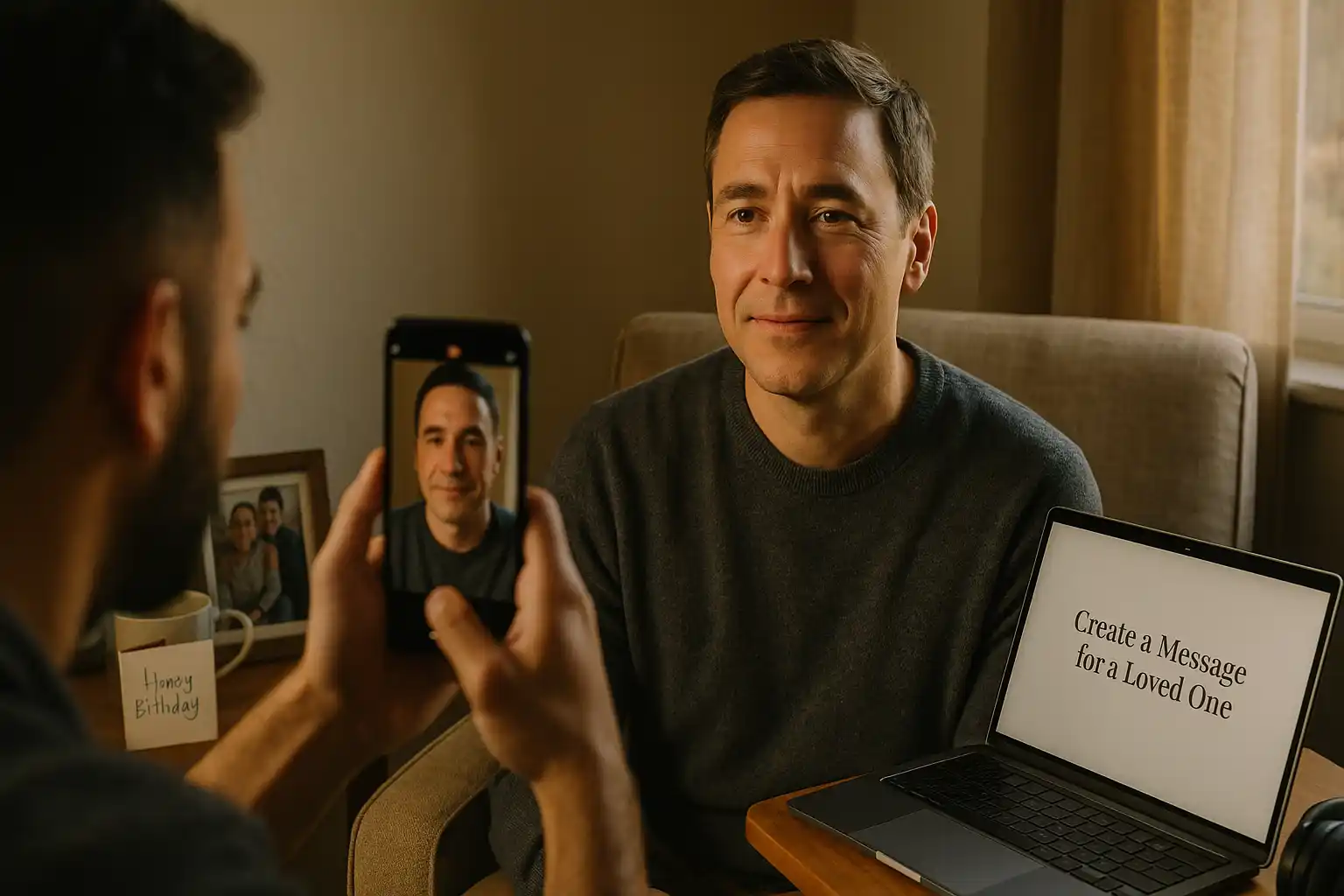
We all know that life is fragile. But knowing it and preparing for it are two very different things. It can feel overwhelming to imagine what happens after we’re gone. Let alone find the right words for the people we love most. What if you could leave messages to be delivered later? On birthdays, weddings, anniversaries. What if your voice could show up just when someone needed to hear it? That is the idea behind Last Farewells, a heartfelt end-of-life platform co-founded by Estrella Quiroz, born from the kind of loss that changes everything.
About This Blog
We all know that life is fragile.
But knowing it and preparing for it are two very different things. It can feel overwhelming to imagine what happens after we’re gone. Let alone find the right words for the people we love most.
What if you could leave messages to be delivered later? On birthdays, weddings, anniversaries. What if your voice could show up just when someone needed to hear it?
That is the idea behind Last Farewells, a heartfelt end-of-life platform co-founded by Estrella Quiroz, born from the kind of loss that changes everything.
One Voicemail That Changed Everything
Estrella’s journey into death tech started with her father’s passing. On her 18th birthday, he called her and left voicemails, two with him singing happy birthday, and one where he offered love and hope. She didn’t answer the call that day. Three days later, he passed away unexpectedly .
That single voicemail, just 16 seconds long, changed the direction of her life.
It reminded her that a voice can become a lifeline. A message can be a turning point. And what we leave behind doesn’t have to be material. Sometimes, it’s simply love in the form of words.
What Is Last Farewells?
Last Farewells is a digital platform where people can create and schedule letters, videos, or voice messages for loved ones to receive in the future. These are sent out at meaningful moments like birthdays, weddings, graduations, or even anniversaries after death .
It is like emotional life insurance.
There is also a memorial page that users can build themselves, including a photo album, music playlist, self-written obituary, and more. This means your story is told in your own words, not just by others after you're gone .
Not Just for the Elderly or Terminally Ill
Many people assume tools like this are only for those facing a terminal diagnosis. But Estrella emphasizes that anyone, at any age, can use Last Farewells.
You don’t have to start with a goodbye.
You can record a birthday message for your child. A pep talk for a sibling. Or a wedding day message for a partner you haven’t met yet. It can be sweet and simple, like “Happy Birthday, I love you” sung into your phone.
Just the sound of your voice might one day be the comfort someone needs most .
Planning Is Not a Curse, It Is a Gift
Estrella shares that in many cultures, including her own, talking about death can feel like inviting it in. Her own brother, who also lost their father, refuses to make a last message because of that belief .
But where some see superstition, Estrella sees preparation.
As she puts it, “We leave life insurance for money. Why not leave emotional support, too?” Especially for people going through addiction, grief, or major transitions, hearing a personal message from someone they loved could be the thing that keeps them going .
How to Get Started with Last Farewells
The platform is simple and free to begin. Users can create:
2 letters
2 videos
2 audio messages
A memorial page with photos, messages, and a bucket list
Messages are stored securely and only delivered if and when needed. If the recipient is not ready, the message will stay in their inbox for a year. This ensures that the timing is respectful and gentle .
There is no pressure to say everything at once. Start small. Even a 30-second birthday message is a beautiful beginning.
The Rise of Personal Legacy Tools
In the age of social media, people often go viral after they pass away. Videos resurface, messages are shared, and last posts become sacred.
Last Farewells helps people take control of their legacy and speak directly to the ones who matter most. You decide what they see. You decide what is said.
This brings comfort not only to the recipients but also to the creators. Knowing you have spoken your truth can bring peace, even in uncertain times.
Death Tech Is Growing, and That Is a Good Thing
Estrella believes that more people should build in this space.
Technology around death has long been outdated and impersonal. But with tools like Last Farewells, there is room for emotion, culture, and story. As more companies explore this space, grieving families will have better options and more ways to feel connected .
Whether you are young, middle-aged, or aging, the time to plan is not when things get urgent. The time is now.
A Simple Step That Can Mean Everything
If you are caring for a parent, facing a diagnosis, or simply thinking about the future, try this:
Create one message today.
It does not need to be perfect. It does not need to be deep. Just pick someone you love and say something kind. Record it. Save it. Send it when the time is right.
You might not know when that moment will come, but when it does, your voice will be there.
🎧 Watch the full episode with Estrella Quiroz and Niki Weiss on The Digital Legacy Podcast
📸 Follow @lastfarewellsapp on Instagram for education and inspiration
Take the Next Step: Start Planning with My Final Playbook


Related Blog
Duis mi velit, auctor vitae leo a, luctus congue dolor. Nullam at velit quis tortor malesuada ultrices vitae vitae lacus. Curabitur tortor purus, tempor in dignissim eget, convallis in lorem.




Comments