
How AI Technology is Reshaping Our Relationship with Mortality
In a time when our lives are increasingly intertwined with technology, the collision of death and digital innovation presents opportunities and challenges previous generations couldn’t foresee happening. Dr. Sarah Parker Ward, an end-of-life futurist and professor at Rensselaer Polytechnic Institute, brings her perspective to this new frontier. With a background in digital advertising and a PhD from Boston University, Dr. Parker Ward's journey into death technology began with a profound personal experience during her grandfather's end-of-life journey. This experience, combined with her academic exploration of how industrialization has transformed both birth and death mindsets, highlights her voice in understanding how technology is reshaping our relationship with mortality. Game Changes in Death Technology The concept of death technology, or "death tech," encompasses innovations that span the entire spectrum of end-of-life experiences, from aging and hospice through post-mortem care. This evolving field is being driven partly by demographic shifts, like baby boomers, with approximately 11,000 individuals turning 65 each day. This demographic has geared entrepreneurs and private equity firms who recognize the significant market potential to develop technological solutions for end-of-life needs. On the one hand, there's a movement toward what Tony Walter termed "The Revival of Death" in the mid-1990s, where people are seeking to return to more personalized, less industrialized approaches to post-mortem care, similar to practices from the mid-1800s. On the other hand, there's a surge in technological innovations aimed at enhancing and personalizing the end-of-life experience through digital means. The crossed paths of these trends have led to the development of various digital tools and platforms that aim to make end-of-life planning more easy and accessible. One of the more popular innovations to come from this include pre-planning platforms that generate personalized letters explaining funeral arrangements and applications designed to help parents create legacy messages for their children, demonstrating how technology can be used to maintain meaningful connections even after death. Digital Legacies and Virtual Immortality The management of our digital legacy is crucial for end-of-life planning. Our digital footprints are vast and complex, encompassing everything from social media accounts and email to digital subscriptions and online banking. Our digital presence raises important questions about data management and privacy that extend after we have passed on. One of the most controversial developments in this space is the emergence of "grief bots" - artificial intelligence systems designed to simulate conversation with deceased individuals based on their digital communication patterns. While these technologies offer the alluring possibility of maintaining a connection with lost loved ones, they also raise significant ethical concerns about the authenticity of these interactions and their impact on the natural grieving process and the person experiencing loss. Advanced planning for digital assets has become a new field, requiring careful consideration of how our online presence will be managed after death. This includes decisions about account closure, data deletion, and the preservation or removal of social media profiles. The complexity of these decisions has led to the development of digital legacy advance directives, documents that specify how digital assets should be handled posthumously. The Transformation of Death Care The evolution of death care (during the passing of loved ones and after) practices reflects broader societal changes in how we approach mortality. Historical shifts in death care parallel similar changes in birth practices, with both experiencing waves of industrialization and medicalization, followed by movements toward a more empathetic outreach. Modern death care is becoming increasingly automated and personalized, with individuals seeking greater control over their end-of-life experiences. We have prepared a list of various planning tools and resources that help people articulate their wishes for both physical and digital assets. Essential considerations for modern end-of-life planning include: Advanced care directives for medical decisions Digital legacy planning for online accounts and assets Designation of legacy contacts for digital platforms Instructions for data privacy and management Preferences for memorial and remembrance practices Guidelines for executors regarding digital asset management Your Data Privacy Data privacy concerns extend beyond death, with current regulations offering limited guidance on posthumous data management. Common issues include unwanted social media reminders of deceased individuals, continued account suggestions, and questions about data ownership after death. The ability to effectively manage and potentially remove digital information after death remains a big and often overlooked question. The role of executors has expanded to include the management of digital assets, requiring not just emotional capacity but also technological competence. This new responsibility highlights the need for a careful selection of executors who can navigate both traditional and digital aspects of estate management. What will you do to protect your digital data when you pass? Planning for the Digital End As we navigate this new frontier of death in a digital age, proactive planning is important. With less than 40% of people engaging in advanced care planning, there's significant room for improvement in how we prepare for end-of-life matters. The ubiquity of smartphone technology, even among baby boomers with a 90% adoption rate, provides an accessible starting point for digital legacy planning. Try taking simple steps such as assigning legacy contacts on your devices and social media accounts. Consider creating a comprehensive digital inventory of your online presence and developing clear instructions for how you want your assets to be managed after death. Most importantly, engage in conversations with loved ones about your digital legacy preferences and ensure your wishes are documented in a way that provides clear guidance for survivors. By taking proactive steps to manage our digital legacies, we can help ensure our online presence aligns with our values and preferences, even after we're gone. If something happened to you, would the people in your life know what to do? Don't leave your loved ones in the dark. Start developing your end-of-life and digital legacy plan. Download My Final Playbook App on the App Store and Google Play to get started. Through this app, you'll be able to start and learn how to organize your legal, financial, physical, and digital assets today. Until then, keep your password safe and your playbook up to date.

About This Blog
In a time when our lives are increasingly intertwined with technology, the collision of death and digital innovation presents opportunities and challenges previous generations couldn’t foresee happening.
Dr. Sarah Parker Ward, an end-of-life futurist and professor at Rensselaer Polytechnic Institute, brings her perspective to this new frontier. With a background in digital advertising and a PhD from Boston University, Dr. Parker Ward's journey into death technology began with a profound personal experience during her grandfather's end-of-life journey. This experience, combined with her academic exploration of how industrialization has transformed both birth and death mindsets, highlights her voice in understanding how technology is reshaping our relationship with mortality.
Game Changes in Death Technology
The concept of death technology, or "death tech," encompasses innovations that span the entire spectrum of end-of-life experiences, from aging and hospice through post-mortem care. This evolving field is being driven partly by demographic shifts, like baby boomers, with approximately 11,000 individuals turning 65 each day. This demographic has geared entrepreneurs and private equity firms who recognize the significant market potential to develop technological solutions for end-of-life needs.
On the one hand, there's a movement toward what Tony Walter termed "The Revival of Death" in the mid-1990s, where people are seeking to return to more personalized, less industrialized approaches to post-mortem care, similar to practices from the mid-1800s. On the other hand, there's a surge in technological innovations aimed at enhancing and personalizing the end-of-life experience through digital means.
The crossed paths of these trends have led to the development of various digital tools and platforms that aim to make end-of-life planning more easy and accessible. One of the more popular innovations to come from this include pre-planning platforms that generate personalized letters explaining funeral arrangements and applications designed to help parents create legacy messages for their children, demonstrating how technology can be used to maintain meaningful connections even after death.
Digital Legacies and Virtual Immortality
The management of our digital legacy is crucial for end-of-life planning. Our digital footprints are vast and complex, encompassing everything from social media accounts and email to digital subscriptions and online banking. Our digital presence raises important questions about data management and privacy that extend after we have passed on.
One of the most controversial developments in this space is the emergence of "grief bots" - artificial intelligence systems designed to simulate conversation with deceased individuals based on their digital communication patterns. While these technologies offer the alluring possibility of maintaining a connection with lost loved ones, they also raise significant ethical concerns about the authenticity of these interactions and their impact on the natural grieving process and the person experiencing loss.
Advanced planning for digital assets has become a new field, requiring careful consideration of how our online presence will be managed after death. This includes decisions about account closure, data deletion, and the preservation or removal of social media profiles. The complexity of these decisions has led to the development of digital legacy advance directives, documents that specify how digital assets should be handled posthumously.
The Transformation of Death Care
The evolution of death care (during the passing of loved ones and after) practices reflects broader societal changes in how we approach mortality. Historical shifts in death care parallel similar changes in birth practices, with both experiencing waves of industrialization and medicalization, followed by movements toward a more empathetic outreach.
Modern death care is becoming increasingly automated and personalized, with individuals seeking greater control over their end-of-life experiences. We have prepared a list of various planning tools and resources that help people articulate their wishes for both physical and digital assets.
Essential considerations for modern end-of-life planning include:
- Advanced care directives for medical decisions
- Digital legacy planning for online accounts and assets
- Designation of legacy contacts for digital platforms
- Instructions for data privacy and management
- Preferences for memorial and remembrance practices
- Guidelines for executors regarding digital asset management
Your Data Privacy
Data privacy concerns extend beyond death, with current regulations offering limited guidance on posthumous data management. Common issues include unwanted social media reminders of deceased individuals, continued account suggestions, and questions about data ownership after death. The ability to effectively manage and potentially remove digital information after death remains a big and often overlooked question.
The role of executors has expanded to include the management of digital assets, requiring not just emotional capacity but also technological competence. This new responsibility highlights the need for a careful selection of executors who can navigate both traditional and digital aspects of estate management. What will you do to protect your digital data when you pass?
Planning for the Digital End
As we navigate this new frontier of death in a digital age, proactive planning is important. With less than 40% of people engaging in advanced care planning, there's significant room for improvement in how we prepare for end-of-life matters. The ubiquity of smartphone technology, even among baby boomers with a 90% adoption rate, provides an accessible starting point for digital legacy planning.
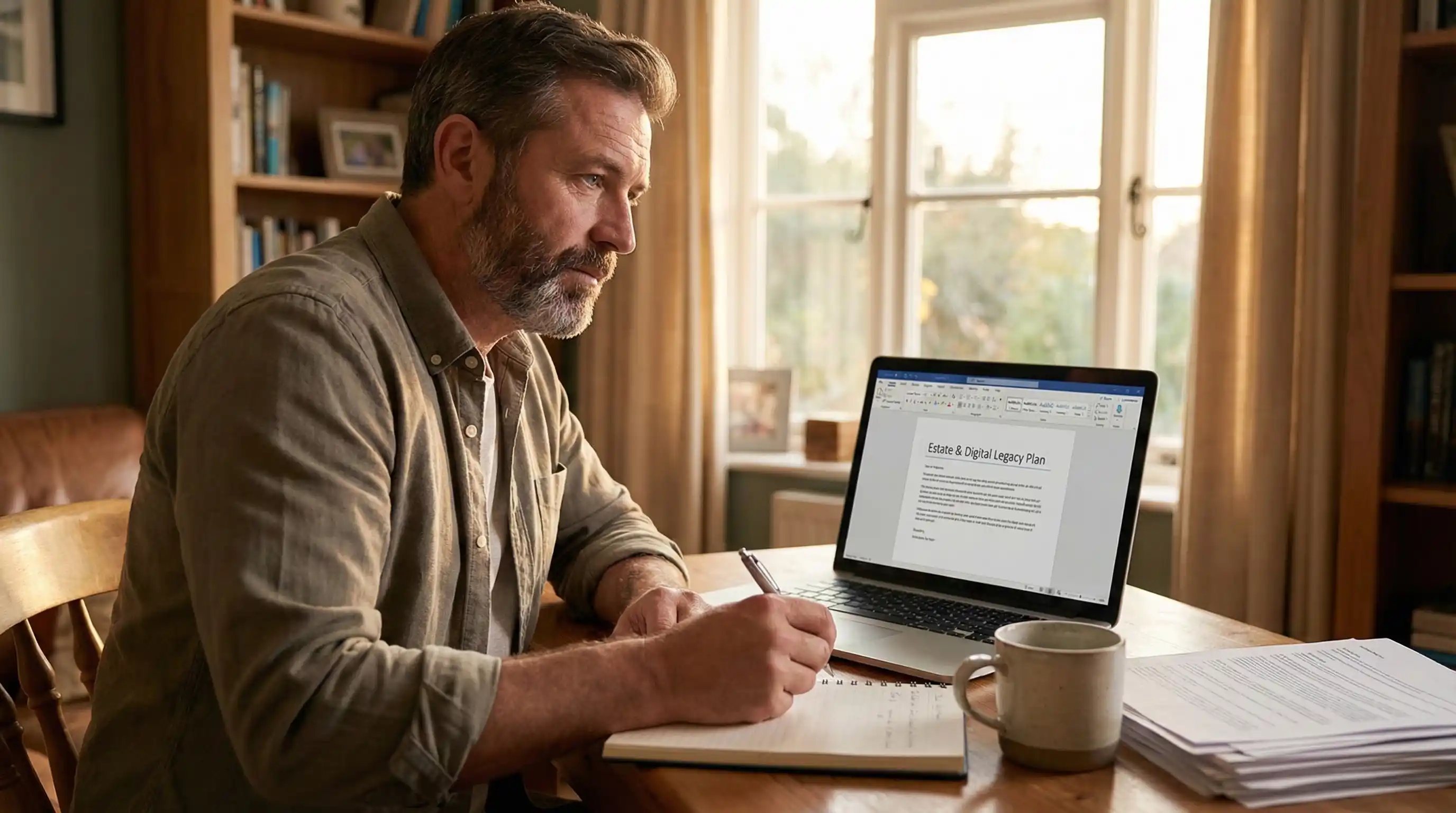
Try taking simple steps such as assigning legacy contacts on your devices and social media accounts. Consider creating a comprehensive digital inventory of your online presence and developing clear instructions for how you want your assets to be managed after death. Most importantly, engage in conversations with loved ones about your digital legacy preferences and ensure your wishes are documented in a way that provides clear guidance for survivors. By taking proactive steps to manage our digital legacies, we can help ensure our online presence aligns with our values and preferences, even after we're gone.
If something happened to you, would the people in your life know what to do? Don't leave your loved ones in the dark. Start developing your end-of-life and digital legacy plan. Download My Final Playbook App on the App Store and Google Play to get started. Through this app, you'll be able to start and learn how to organize your legal, financial, physical, and digital assets today. Until then, keep your password safe and your playbook up to date.
Related Blog
Duis mi velit, auctor vitae leo a, luctus congue dolor. Nullam at velit quis tortor malesuada ultrices vitae vitae lacus. Curabitur tortor purus, tempor in dignissim eget, convallis in lorem.


Comments