
What Happens to Your Story When Your Obituary Goes Digital? | Mary McGreevy
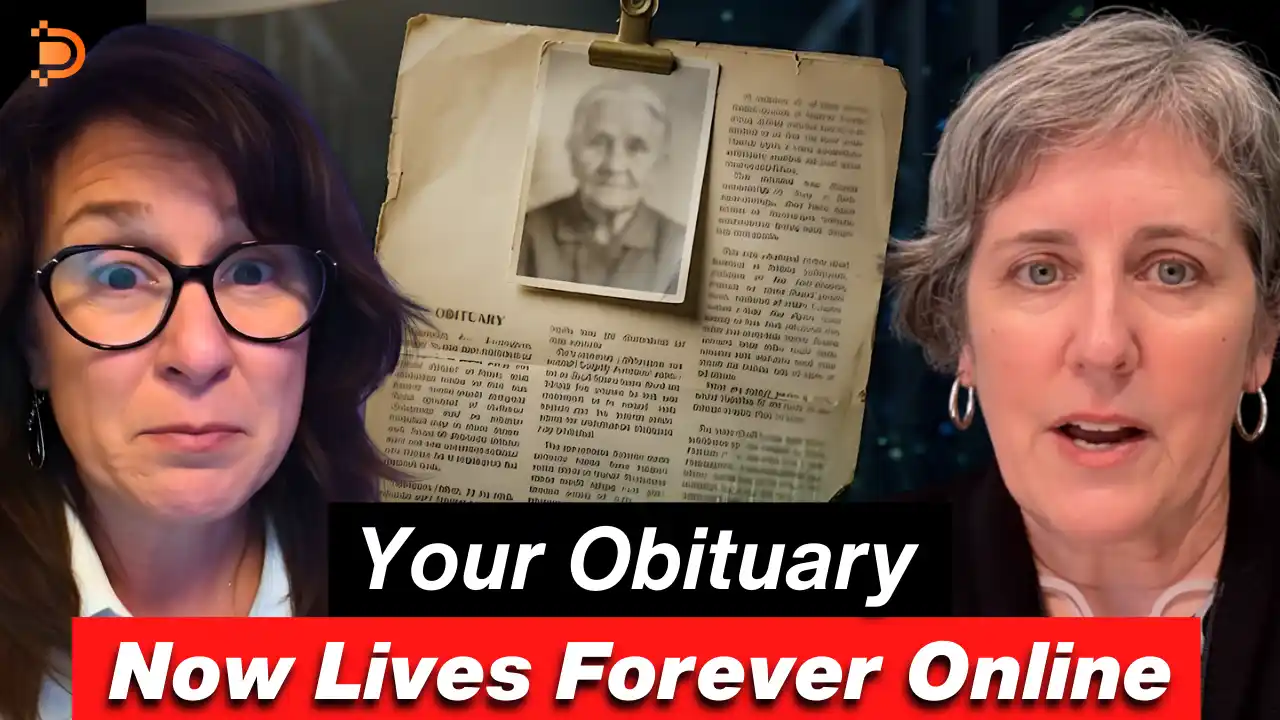
What happens when a childhood fascination with "peculiar" stories turns into a viral TikTok sensation? In this episode of The Digital Legacy Podcast, host Niki Weiss, Digital Thanatologist, sits down with Mary McGreevy, the woman who made reading obituaries go viral. Mary shares how she transitioned from a "natural gossip" clipping newspaper snippets to an online storyteller with millions of views, uncovering the extraordinary in ordinary lives. You’ll discover: How classified ads and obituaries once shared a newspaper profit center, and why "pay-per-word" pricing led to decades of boring, templated tributes. How Mary’s 20-something daughters helped her launch a TikTok account that reached a million views overnight. Why an honest, funny, or authentic obituary serves as a "tab you keep open" to find comfort in the middle of the night. Why more women are "bucking convention" by writing their own obituaries to ensure their "tenacious, zigzaggy careers" are portrayed accurately. The shocking cost of print obituaries (like $1,200 for one day in Dallas) and why digital platforms are liberating families from financial gatekeeping. A discussion on "scorched earth" obituaries and whether we need permission to digitize a life story that now lives forever on a server. Because unless you’re a president or a Nobel Prize winner, your story belongs to you—don't let a template be the final word.
Description:
What happens when a childhood fascination with "peculiar" stories turns into a viral TikTok sensation?
In this episode of The Digital Legacy Podcast, host Niki Weiss, Digital Thanatologist, sits down with Mary McGreevy, the woman who made reading obituaries go viral. Mary shares how she transitioned from a "natural gossip" clipping newspaper snippets to an online storyteller with millions of views, uncovering the extraordinary in ordinary lives.
You’ll discover:
How classified ads and obituaries once shared a newspaper profit center, and why "pay-per-word" pricing led to decades of boring, templated tributes.
How Mary’s 20-something daughters helped her launch a TikTok account that reached a million views overnight.
Why an honest, funny, or authentic obituary serves as a "tab you keep open" to find comfort in the middle of the night.
Why more women are "bucking convention" by writing their own obituaries to ensure their "tenacious, zigzaggy careers" are portrayed accurately.
The shocking cost of print obituaries (like $1,200 for one day in Dallas) and why digital platforms are liberating families from financial gatekeeping.
A discussion on "scorched earth" obituaries and whether we need permission to digitize a life story that now lives forever on a server.
Because unless you’re a president or a Nobel Prize winner, your story belongs to you—don't let a template be the final word.


Comments