
The Prison Hospice Project: Training Inmates for End-of-Life Care | Fernando Murillo
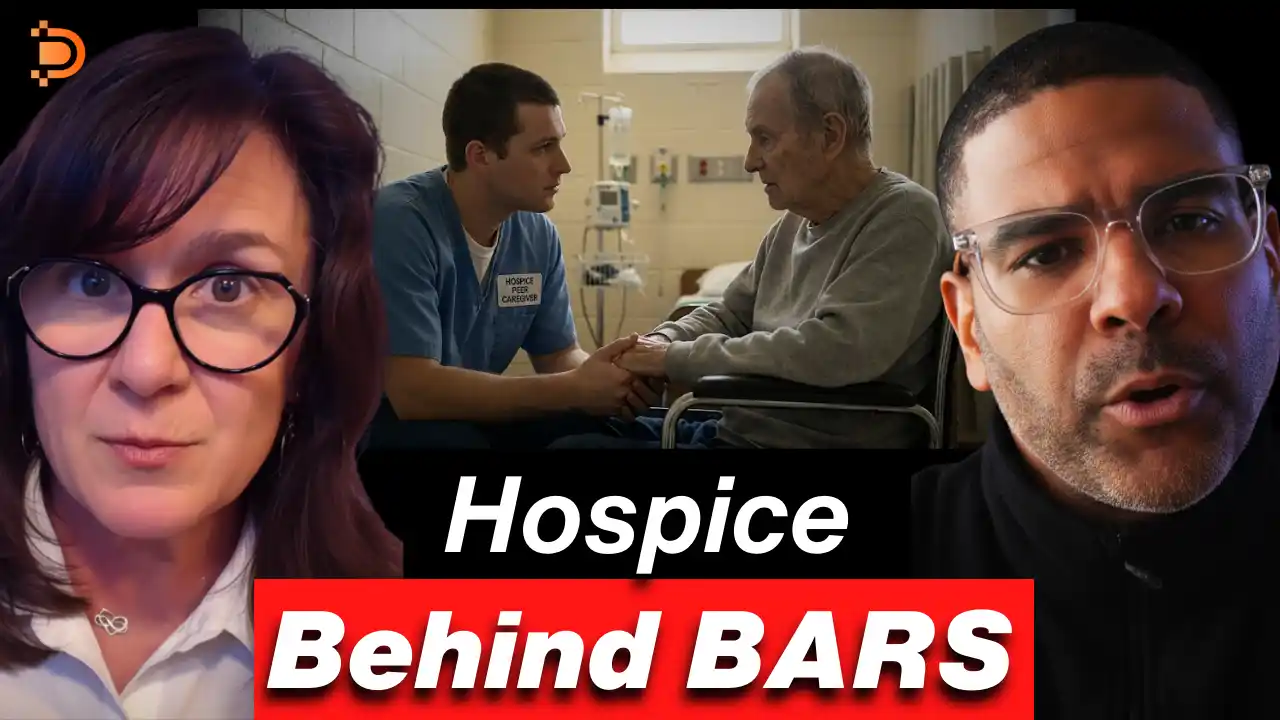
What happens when the "worst thing you’ve ever done" is the only way society defines you, even as you face your final breath? In this moving episode of The Digital Legacy Podcast, host Niki Weiss, Digital Thanatologist, sits down with Fernando Murillo, a lead trainer for the Humane Prison Hospice Project. Fernando shares his remarkable journey from being incarcerated at age 16 to serving as a peer caregiver in California’s prison hospice system for over five years. They explore the "carceral end-of-life crisis," where one in five incarcerated people in the You’ll discover: The reality of the only licensed hospice in the California prison system and how it operates in the face of restrictive carceral laws. Fernando’s philosophy on why kindness and trust are the most valuable assets in the end-of-life journey. How incarcerated caregivers act as scribes and witnesses to the legacies of those society has "swept under the carpet". Why the Humane Prison Hospice Project provides more extensive end-of-life training than many traditional medical schools. The staggering data showing how hospice work fundamentally rehabilitates those providing the care. The new infrastructure being built to provide a dignified "destination" for cancer patients released from prison to die in the community. Because if we can foster compassion and dignity in the most restrictive settings on earth, there is no excuse for not doing it in our own communities.
Description:
What happens when the "worst thing you’ve ever done" is the only way society defines you, even as you face your final breath?
In this moving episode of The Digital Legacy Podcast, host Niki Weiss, Digital Thanatologist, sits down with Fernando Murillo, a lead trainer for the Humane Prison Hospice Project. Fernando shares his remarkable journey from being incarcerated at age 16 to serving as a peer caregiver in California’s prison hospice system for over five years.
They explore the "carceral end-of-life crisis," where one in five incarcerated people in the
You’ll discover:
The reality of the only licensed hospice in the California prison system and how it operates in the face of restrictive carceral laws.
Fernando’s philosophy on why kindness and trust are the most valuable assets in the end-of-life journey.
How incarcerated caregivers act as scribes and witnesses to the legacies of those society has "swept under the carpet".
Why the Humane Prison Hospice Project provides more extensive end-of-life training than many traditional medical schools.
The staggering data showing how hospice work fundamentally rehabilitates those providing the care.
The new infrastructure being built to provide a dignified "destination" for cancer patients released from prison to die in the community.
Because if we can foster compassion and dignity in the most restrictive settings on earth, there is no excuse for not doing it in our own communities.



Comments