Designing a Digital Tomb: Architect Built Cumulus to Save His Family’s Legacy | Alexander Josephson

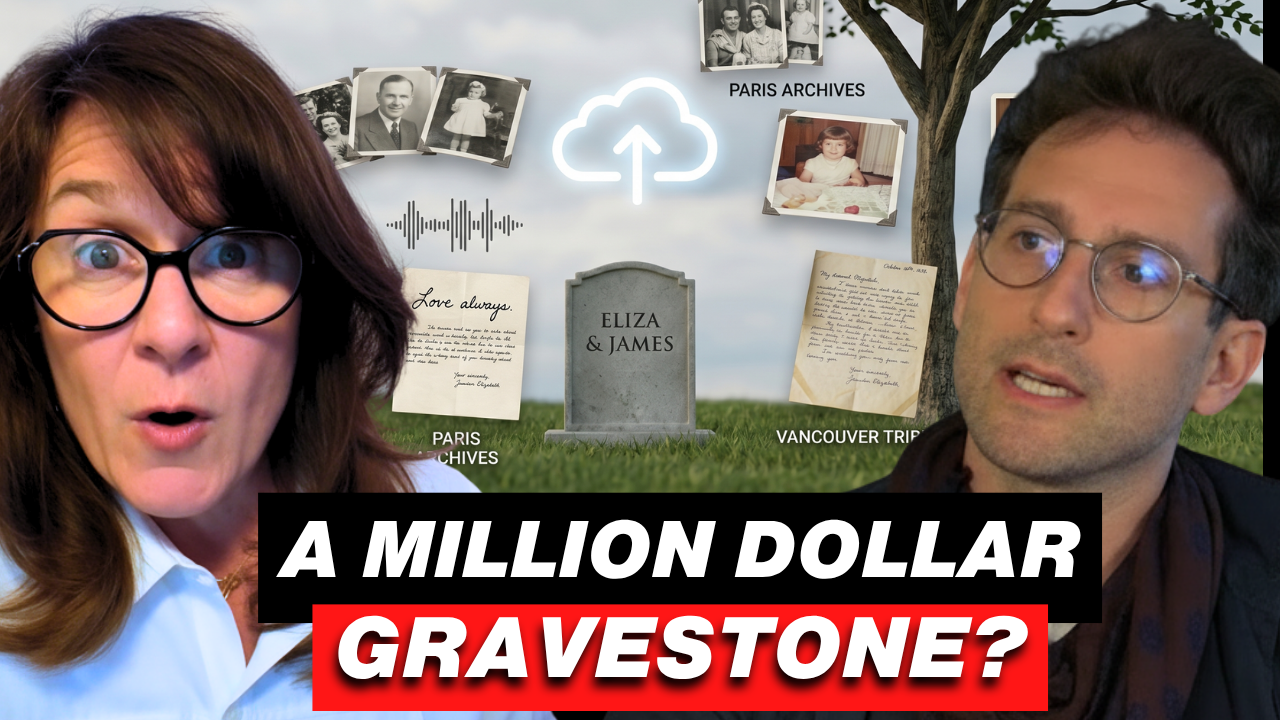
When an architect’s father is given a terminal diagnosis, what does he build? For Alexander Josephson, the answer wasn't a physical mausoleum—it was a digital one. In this episode of the Digital Legacy Podcast, Niki Weiss sits down with Alex, the founder of Cumulus, to discuss the deeply personal journey that led him from designing award-winning brick-and-mortar buildings to creating a 3D digital sanctuary for our memories. Alex shares the story of his father's multiple close brushes with death and the heavy burden that falls on the "chosen one" in every family to manage end-of-life arrangements. They discuss why our modern, scrolling social media feeds are inadequate for true legacy preservation and how Cumulus allows families to collaborate and build a "tomb of their memories" in the cloud. In this episode, we discuss: Why the world's most famous architecture (like the Pyramids and the Taj Mahal) are actually tombs. The psychological burden placed on the family member tasked with estate and legacy planning. The difference between a self-storage facility (like Google Drive) and a purpose-built digital memorial. How Cumulus uses 3D and VR components to create an immersive, sanctuary-like experience for families. The financial reality of physical cemetery plots versus digital perpetuity.
0:00
0:00
Advertising will end in
play_arrow
pause
replay_10
forward_10
volume_up
volume_down
volume_off
share
speed
Skip ad
close
close
close
close
close

Description:

When an architect’s father is given a terminal diagnosis, what does he build? For Alexander Josephson, the answer wasn't a physical mausoleum—it was a digital one. In this episode of the Digital Legacy Podcast, Niki Weiss sits down with Alex, the founder of Cumulus, to discuss the deeply personal journey that led him from designing award-winning brick-and-mortar buildings to creating a 3D digital sanctuary for our memories.

Alex shares the story of his father's multiple close brushes with death and the heavy burden that falls on the "chosen one" in every family to manage end-of-life arrangements. They discuss why our modern, scrolling social media feeds are inadequate for true legacy preservation and how Cumulus allows families to collaborate and build a "tomb of their memories" in the cloud.

In this episode, we discuss:

  • Why the world's most famous architecture (like the Pyramids and the Taj Mahal) are actually tombs.

  • The psychological burden placed on the family member tasked with estate and legacy planning.

  • The difference between a self-storage facility (like Google Drive) and a purpose-built digital memorial.

  • How Cumulus uses 3D and VR components to create an immersive, sanctuary-like experience for families.

  • The financial reality of physical cemetery plots versus digital perpetuity.


Related Podcast

The Solo Ager’s Safety Net: Why You Need a Fiduciary, Not Just a Will | Stephanie Rosso, PhD

What happens when estate planning is procrastinated until the very last minute? The tragic reality is that waiting too long can result in incomplete documents, leaving families stuck in the messy, expensive probate process. In this insightful episode of The Digital Legacy Podcast, host Niki Weiss, Digital Thanatologist, talks with Stephanie Rosso, a psychologist and co-founder of The Best Notary. Stephanie shares her unique perspective on the intersection of trauma, grief, and estate planning, and why just drafting a will or trust isn't enough—it must be properly executed, notarized, and funded. They also discuss the essential role of a professional fiduciary, especially for solo agers or those needing an objective third party to manage their affairs. You'll discover: The Dangers of Procrastination: The tragic complications of waiting until a "deathbed" scenario to sign estate documents, which can result in incomplete plans and probate. Proper Document Execution: Just drafting documents isn't enough; they must be officially signed, notarized, and often require two witnesses. Funding the Trust: A trust is ineffective unless assets (like houses and bank accounts) are actually transferred into it to avoid probate. The Importance of Powers of Attorney: Why everyone needs a power of attorney for healthcare and financial decisions in case of incapacitation, regardless of their total assets. The Role of a Professional Fiduciary: How state-regulated, professional fiduciaries act as neutral third parties to manage finances and care for solo agers, elder orphans, or families with special needs children, protecting them from exploitation. The "Panini Generation": The unique burnout and stress faced by people squished between caring for aging parents and their own children, and how to start normalizing estate conversations with them. Because a plan isn't a plan until it's signed, sealed, and properly funded.

Listen Now
One QR Code, 500+ Photos The New Tech You Need for Legacy | Cameron Labrecque

What happens when a lifetime of digital memories—thousands of photos, videos, and stories—is scattered across social media and hidden in locked phones? In this episode of The Digital Legacy Podcast, host Niki Weiss, Digital Thanatologist, sits down with Cameron Labrecque, the 24-year-old CEO of Rememery. They discuss how a single Christmas gift (a cardinal snow globe) sparked a mission to fix the "problem of preservation" and how technology can turn a static obituary into a living, interactive narrative of a life well-lived. You’ll discover: Why cardinals are the universal medium for connecting with lost loved ones and how they inspired the Rememery brand. How to move from a physical box of photos to a digital legacy site with over 500+ memories accessible to your entire family. How a simple 2x2 QR code on a headstone can turn a cemetery visit into an experiential journey through a person’s life. How families can curate and protect a loved one’s story by approving which photos and videos are made public. Why you should think twice before using AI to "recreate" a deceased loved one’s likeness without their prior terms-and-conditions consent. Why you should never be mad at the friend who is always taking pictures—you’ll be thanking them in 10 years. Because your legacy isn't just about being remembered—it's about how your story is told for the next 100 years

Listen Now
The Prison Hospice Project: Training Inmates for End-of-Life Care | Fernando Murillo

What happens when the "worst thing you’ve ever done" is the only way society defines you, even as you face your final breath? In this moving episode of The Digital Legacy Podcast, host Niki Weiss, Digital Thanatologist, sits down with Fernando Murillo, a lead trainer for the Humane Prison Hospice Project. Fernando shares his remarkable journey from being incarcerated at age 16 to serving as a peer caregiver in California’s prison hospice system for over five years. They explore the "carceral end-of-life crisis," where one in five incarcerated people in the You’ll discover: The reality of the only licensed hospice in the California prison system and how it operates in the face of restrictive carceral laws. Fernando’s philosophy on why kindness and trust are the most valuable assets in the end-of-life journey. How incarcerated caregivers act as scribes and witnesses to the legacies of those society has "swept under the carpet". Why the Humane Prison Hospice Project provides more extensive end-of-life training than many traditional medical schools. The staggering data showing how hospice work fundamentally rehabilitates those providing the care. The new infrastructure being built to provide a dignified "destination" for cancer patients released from prison to die in the community. Because if we can foster compassion and dignity in the most restrictive settings on earth, there is no excuse for not doing it in our own communities.

Listen Now

Comments