
A Journey Towards ‘Greener’ Cemeteries
In the constantly evolving landscape of end-of-life care, conversations surrounding death, dying, and how we honor those we love are becoming increasingly important. Recently, Niki Weiss sat down with Hye Kyung (HK) Lee, a passionate advocate for conservation cemeteries, on the Digital Legacy Podcast. Their discussion touched on various vital aspects of death care, including how to navigate emotional complexities and the importance of mindful decisions in legacy planning. As a compassionate friend would remind us, contemplating end-of-life arrangements can be overwhelming. However, understanding your options and making conscious choices can provide clarity and relief during challenging times. Understanding Conservation Cemeteries At its core, a conservation cemetery integrates natural burial with land preservation, allowing individuals to return to the earth in an environmentally friendly manner. As HK explains, it is a beautiful way of embracing the natural cycle of life. Instead of traditional cemeteries dominated by concrete and largely artificial processes, conservation cemeteries promote ecological stewardship. This emphasizes the healing power of nature not only for the departed but also for the living community. In many urban settings, the idea of starting a new cemetery can feel overwhelming, particularly when faced with bureaucratic hurdles. However, HK believes that with dedicated effort and community support, these concepts can flourish. The Emotional Context of Death While some are driven by personal experiences of loss, HK's motivation stems from a probabilistic perspective. Despite not facing significant losses in his life, he recognizes that death is inevitable and a natural part of existence. He has observed the emotional isolation that often accompanies discussions about grief, which was once more integrated into societal norms. As HK noted, people historically expressed their grief publicly and shared the burden of loss within their communities. Modern culture, however, often pushes death into the background, leading to an emotional disconnect that can leave families feeling isolated at a crucial moment. How Cultural Norms Have Shifted A pivotal moment in the evolution of end-of-life care occurred during the Civil War when embalming practices emerged. This marked a shift from home care regarding funerals to the professionalization of death care. Gradually, the ritual of caring for the dead gave way to corporate interests, often distancing families from the intimate process of honoring their loved ones. HK's observations on the impact of commercial interests resonate with many who feel the weight of consumerism during such a vulnerable time. It's crucial to highlight that families are often compelled to follow industry norms, such as purchasing elaborate caskets or burial vaults, which may not reflect personal or cultural values. Taking Action Towards Mindful Planning The conversation between HK and Niki emphasized the importance of bringing death back into our collective consciousness. They encourage readers to reflect on what legacy they wish to leave behind. Mindful planning can encompass various aspects of life, including how to approach death itself. Here are a few small, practical steps to consider as you navigate end-of-life planning: Have Conversations: Talk with loved ones about death, grief, and legacy. This can be difficult but is essential for creating an environment of openness and understanding. Research Burial Options: Explore different burial methods that align with your values, including conservation cemeteries and natural burials. Understanding your options can provide peace of mind. Reflect on Your Legacy: Think about how you want to be remembered and consider ways to express your values through your decisions regarding end-of-life care. A New Paradigm for Death Ultimately, the journey towards embracing more compassionate end-of-life practices is about personal values and priorities. By normalizing discussions surrounding death and considering alternatives such as conservation cemeteries, we can begin to change the narrative around how we honor our loved ones and ourselves. Understanding your options allows for true digital resilience when planning a legacy that aligns with your values. If you'd like to dive deeper into these conversations, explore the Digital Legacy Podcast. For more information on conservation cemeteries and how to navigate your journey, visit eonwoods.org, the guest’s platform.
About This Blog
StartFragment
In the constantly evolving landscape of end-of-life care, conversations surrounding death, dying, and how we honor those we love are becoming increasingly important. Recently, Niki Weiss sat down with Hye Kyung (HK) Lee, a passionate advocate for conservation cemeteries, on the Digital Legacy Podcast. Their discussion touched on various vital aspects of death care, including how to navigate emotional complexities and the importance of mindful decisions in legacy planning.
As a compassionate friend would remind us, contemplating end-of-life arrangements can be overwhelming. However, understanding your options and making conscious choices can provide clarity and relief during challenging times.
Understanding Conservation Cemeteries
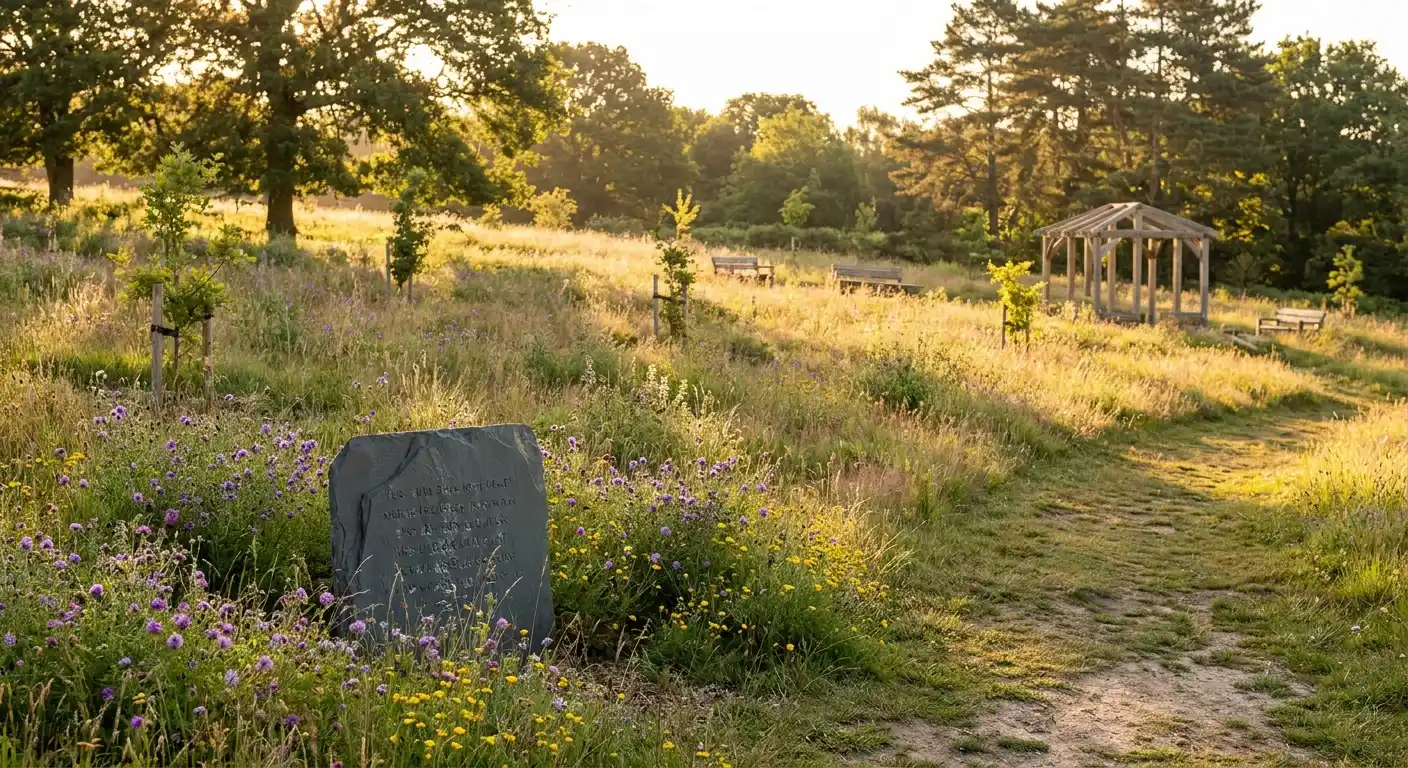
At its core, a conservation cemetery integrates natural burial with land preservation, allowing individuals to return to the earth in an environmentally friendly manner. As HK explains, it is a beautiful way of embracing the natural cycle of life. Instead of conversational cemeteries dominated by concrete and largely artificial processes, conservation cemeteries promote ecological stewardship. This emphasizes the healing power of nature not only for the departed but also for the living community.
In many urban settings, the idea of starting a new cemetery can feel overwhelming, particularly when faced with bureaucratic hurdles. However, HK believes that with dedicated effort and community support, these concepts can flourish.
The Emotional Context of Death
While some are driven by personal experiences of loss, HK's motivation stems from a probabilistic perspective. Despite not facing significant losses in her life, she recognizes that death is inevitable and a natural part of existence. She has observed the emotional isolation that often accompanies discussions about grief, which was once more integrated into societal norms.
As HK noted, people historically expressed their grief publicly and shared the burden of loss within their communities. Modern culture, however, often pushes death into the background, leading to an emotional disconnect that can leave families feeling isolated at a crucial moment.
How Cultural Norms Have Shifted
A pivotal moment in the evolution of end-of-life care occurred during the Civil War when embalming practices emerged. This marked a shift from home care regarding funerals to the professionalization of death care. Gradually, the ritual of caring for the dead gave way to corporate interests, often distancing families from the intimate process of honoring their loved ones.
HK's observations on the impact of commercial interests resonate with many who feel the weight of consumerism during such a vulnerable time. It's crucial to highlight that families are often compelled to follow industry norms, such as purchasing elaborate caskets or burial vaults, which may not reflect personal or cultural values.
Taking Action Towards Mindful Planning
The conversation between HK and Niki emphasized the importance of bringing death back into our collective consciousness. They encourage readers to reflect on what legacy they wish to leave behind. Mindful planning can encompass various aspects of life, including how to approach death itself.
Here are a few small, practical steps to consider as you navigate end-of-life planning:
Have Conversations: Talk with loved ones about death, grief, and legacy. This can be difficult but is essential for creating an environment of openness and understanding.
Research Burial Options: Explore different burial methods that align with your values, including conservation cemeteries and natural burials. Understanding your options can provide peace of mind.
Reflect on Your Legacy: Think about how you want to be remembered and consider ways to express your values through your decisions regarding end-of-life care.
A New Paradigm for Death
Ultimately, the journey towards embracing more compassionate end-of-life practices is about personal values and priorities. By normalizing discussions surrounding death and considering alternatives such as conservation cemeteries, we can begin to change the narrative around how we honor our loved ones and ourselves.
Understanding your options allows for true digital resilience when planning a legacy that aligns with your values.
EndFragment
If you'd like to dive deeper into these conversations, explore the Digital Legacy Podcast. For more information on conservation cemeteries and how to navigate your journey, visit eonwoods.org, the guest’s platform.
Take the Next Step: Start Planning with My Final Playbook


Related Blog
Duis mi velit, auctor vitae leo a, luctus congue dolor. Nullam at velit quis tortor malesuada ultrices vitae vitae lacus. Curabitur tortor purus, tempor in dignissim eget, convallis in lorem.

Comments